How to Get Rid of Crows on a Farm
Posted on the
How to Get Rid of Crows on a Farm
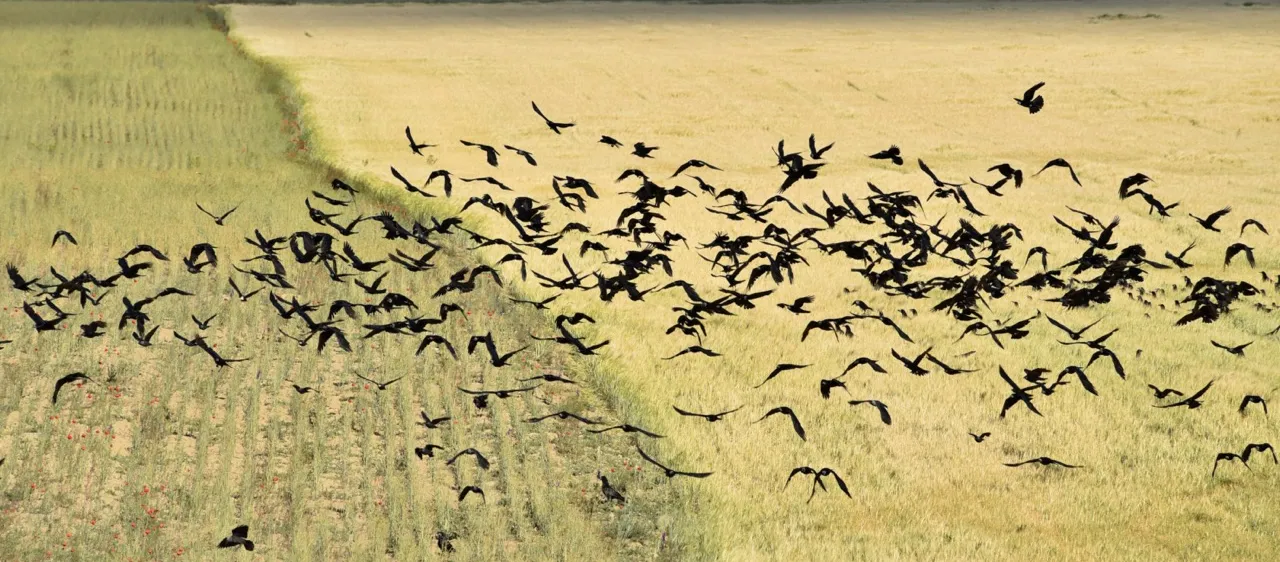
Crows are highly intelligent and adaptable birds, but they can become a serious problem on farms when they gather around livestock buildings, grain and feed stores, crops and other reliable food sources.
Once crows establish a regular feeding or roosting area, they can be difficult to discourage. Understanding what is attracting them to the farm is an important first step in reducing the problem.
Where crow activity is persistent or causing damage, professional help may be required. Bawcro can assess the problem and recommend appropriate measures based on the farm, the level of activity and what is attracting the birds.
Why Are Crows Attracted to Farms?
Farms can provide crows with everything they need, including food, water, shelter and places to roost.
Common attractions include spilled grain and animal feed, livestock feeding areas, crops, waste, open storage areas and accessible farm buildings.
Crows are quick to identify reliable food sources and may repeatedly return once they have found somewhere that provides easy access to food.
Reducing these attractions where practical can help make a farm less appealing.
What Problems Can Crows Cause on Farms?
Crows can cause several problems for agricultural businesses.
They may damage crops, access grain and animal feed, contaminate feeding and storage areas with droppings and create persistent problems around livestock buildings, barns and other farm structures.
Where large numbers of birds are regularly feeding or roosting, the problem can become increasingly difficult to manage.
Can Crows Damage Crops?
Crows can cause damage to agricultural crops, particularly when groups of birds repeatedly feed in the same area.
Seeds, young crops and other readily available food sources can attract birds onto farmland.
The extent of the problem will depend on the crop, the number of birds present and how regularly they are using the land.
Where crop damage is persistent, understanding why crows are gathering in that particular area can help determine the most appropriate way to manage the problem.
For wider pest and wildlife problems affecting crops and land, see our Agricultural Pest Control service.
Crows Around Grain and Animal Feed
Grain and livestock feed are particularly attractive food sources for crows.
Spilled grain, damaged feed bags and open or easily accessible storage areas can encourage birds to repeatedly return.
Regularly clearing spillages and keeping stored feed secure can help reduce the amount of food available.
Where possible, access to grain and feed stores should also be restricted to prevent birds entering buildings.
Crows Around Livestock Buildings
Livestock buildings can provide crows with both food and shelter.
Animal feed, water and the structure of barns and livestock buildings may encourage birds to spend more time around these areas.
Persistent bird activity can create additional contamination and cleaning problems, particularly where crows are accessing feeding areas.
Identifying how and why birds are using the building is an important part of reducing activity.
How Can You Discourage Crows From a Farm?
Good farm management can help reduce the things encouraging crows to remain on a site.
Spilled grain and feed should be cleared where possible and stored food should be kept secure.
Waste areas should also be managed carefully so they do not provide an additional food source.
Farm buildings can be checked to identify places where birds are regularly entering, roosting or gaining access to feed.
It is also worth looking at where crows gather across the wider farm and whether particular areas are providing them with reliable food or shelter.
How Do You Get Rid of Crows From Farm Buildings?
The first step is to establish why the birds are using the building.
They may be accessing animal feed, using the structure for shelter or returning to an established roosting area.
Reducing available food sources and preventing access to suitable areas can help make the building less attractive.
Where crows continue to return despite preventative measures, a professional assessment can help identify why the problem is persisting and what additional measures may be appropriate.
Do Crow Deterrents Work?
There are different methods that may help discourage crows, but their effectiveness will depend on the individual farm and the reason the birds are present.
Crows are intelligent and can become accustomed to changes in their environment. This means relying on one deterrent alone may not provide a lasting solution.
A wider approach that considers food sources, access to buildings, roosting areas and the surrounding environment is often more useful for persistent problems.
Can You Stop Crows Entering Farm Buildings?
Where crows are regularly accessing barns, grain stores or other agricultural buildings, preventing access may form part of the solution.
Potential entry points should be identified and practical changes considered where appropriate.
Bawcro also provides Pest Proofing for agricultural and commercial properties where access to buildings is contributing to an ongoing pest problem.
Why Do Crows Keep Coming Back?
If crows continue returning to the same farm, there is usually something making the location attractive to them.
This may be a reliable food source, somewhere to roost, access to buildings or a combination of factors.
Because crows are intelligent birds, simply disturbing them may only move the problem temporarily if the underlying attraction remains.
Understanding what is encouraging the birds to return can make longer-term management more effective.
When Should You Get Professional Help?
Professional advice may be appropriate when crows are repeatedly returning, damaging crops, accessing grain or animal feed or causing problems around livestock and farm buildings.
A survey can help establish where the birds are feeding or roosting and what is attracting them to the site.
The appropriate approach will depend on the individual farm, the extent of the activity and the problems being caused.
Pest Control for Farms
Crow activity may be only one of several pest problems affecting an agricultural business.
Rats, mice, pigeons, rabbits, moles and other pests can also cause problems around livestock buildings, barns, grain and feed stores, farmyards, fields and boundaries.
Bawcro provides specialist Farm Pest Control across Yorkshire for farms requiring individual pest treatments or ongoing pest management.
Need Professional Help With Crows?
If crows are causing damage to crops, livestock areas, grain and feed stores or farm buildings, Bawcro can assess the problem and recommend an appropriate management programme.
Find out more about our Crow Pest Control in Yorkshire service.
For wider agricultural pest and wildlife problems, visit our Agricultural Pest Control page.
Call 0113 403 5504 to discuss a problem with crows on your farm.
Further Reading