Professional Wasp Nest Removal Services
If you’re looking for Wasp Nest Removal Yorkshire, Bawcro Pest Control provides professional wasp nest treatment for homes, farms and businesses across the region.
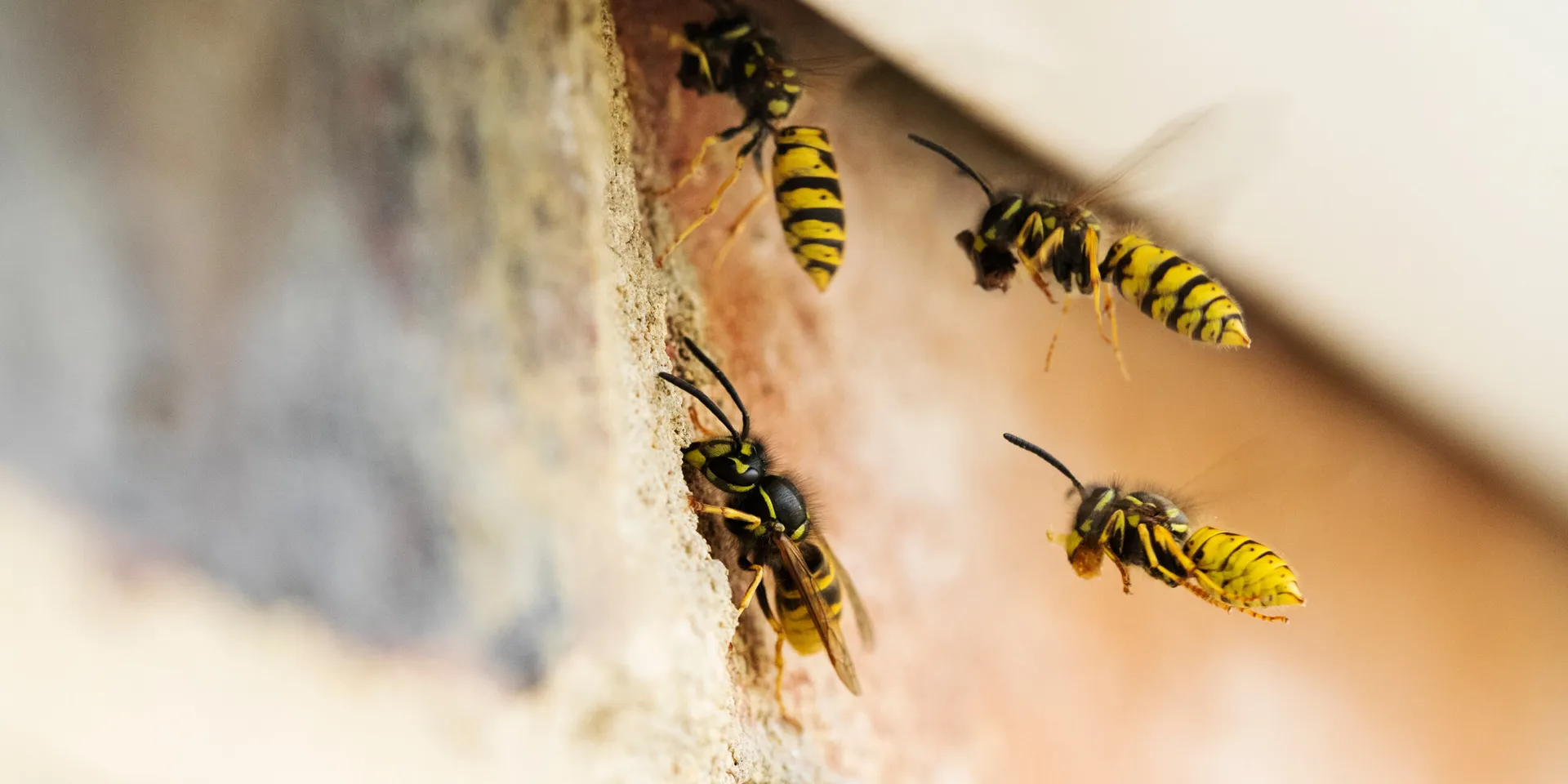
If you’ve noticed wasps repeatedly flying in and out of the same roofline, shed, wall cavity or another area around your property, there’s a good chance there’s a wasp nest nearby.
We’ll identify where they’re getting in, assess the problem and treat the nest safely and effectively.
Got a wasp problem? Get in touch with Bawcro Pest Control for advice, pricing and availability. Learn more about our services.
Wasp Control Across Yorkshire
A few wasps in the garden is one thing. A steady stream of them going in and out of the same place usually means there’s a nest close by.
Wasps often build nests in places such as:
- Lofts
- Roof spaces
- Eaves and soffits
- Wall cavities
- Sheds
- Garages
- Trees
- Hedges
- Other sheltered areas around the property
If you’re not sure where the nest is, don’t worry. In many cases, watching where the wasps are travelling is enough to find the main entry point. Discover more about the pests we handle on our Pests We Handle page.
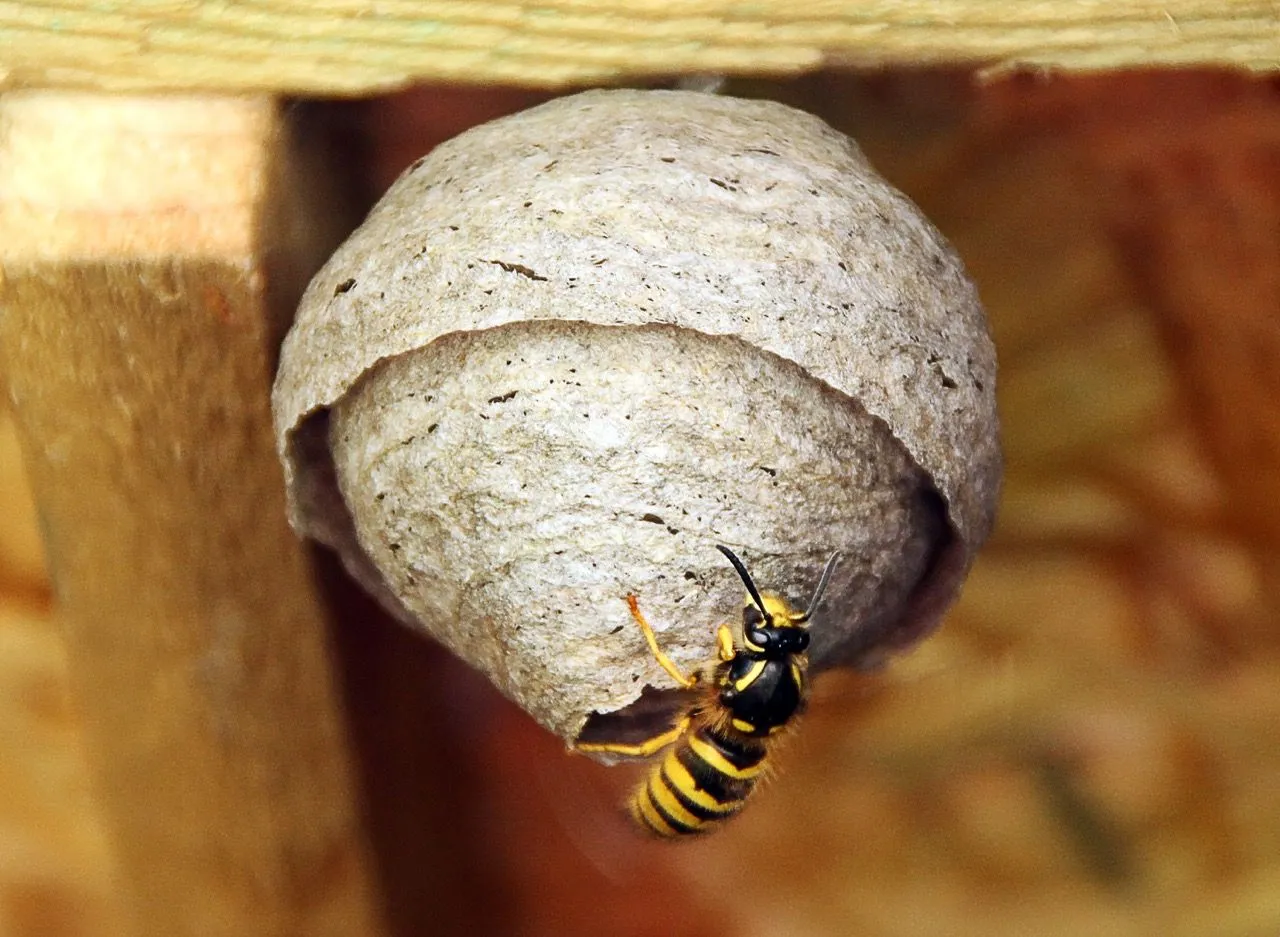
Signs You May Have a Wasp Nest
The nest itself isn’t always easy to see.
You may have a nest nearby if you notice:
- Wasps repeatedly entering the same hole or gap
- A lot of activity around your roofline
- Wasps appearing in the loft
- Wasps coming through a wall cavity or air brick
- Increased activity around a shed or garage
- A visible nest in a loft, hedge, tree or outbuilding
If the wasps are using the same route over and over again, it’s best not to block the hole or disturb the area. If you suspect a nest on your property, don’t hesitate to contact us for a quick and effective solution.
How We Treat Wasp Nests
Every nest is different.
Some are easy to access. Others are hidden in roof spaces, lofts or wall cavities.
We first look at where the wasps are going and work out the best place to treat the nest.
Finding the Nest
We’ll identify the main area of activity and, where possible, locate the nest or the point the wasps are using to get in.
That gives us a better idea of how the problem should be treated.
Treating the Nest
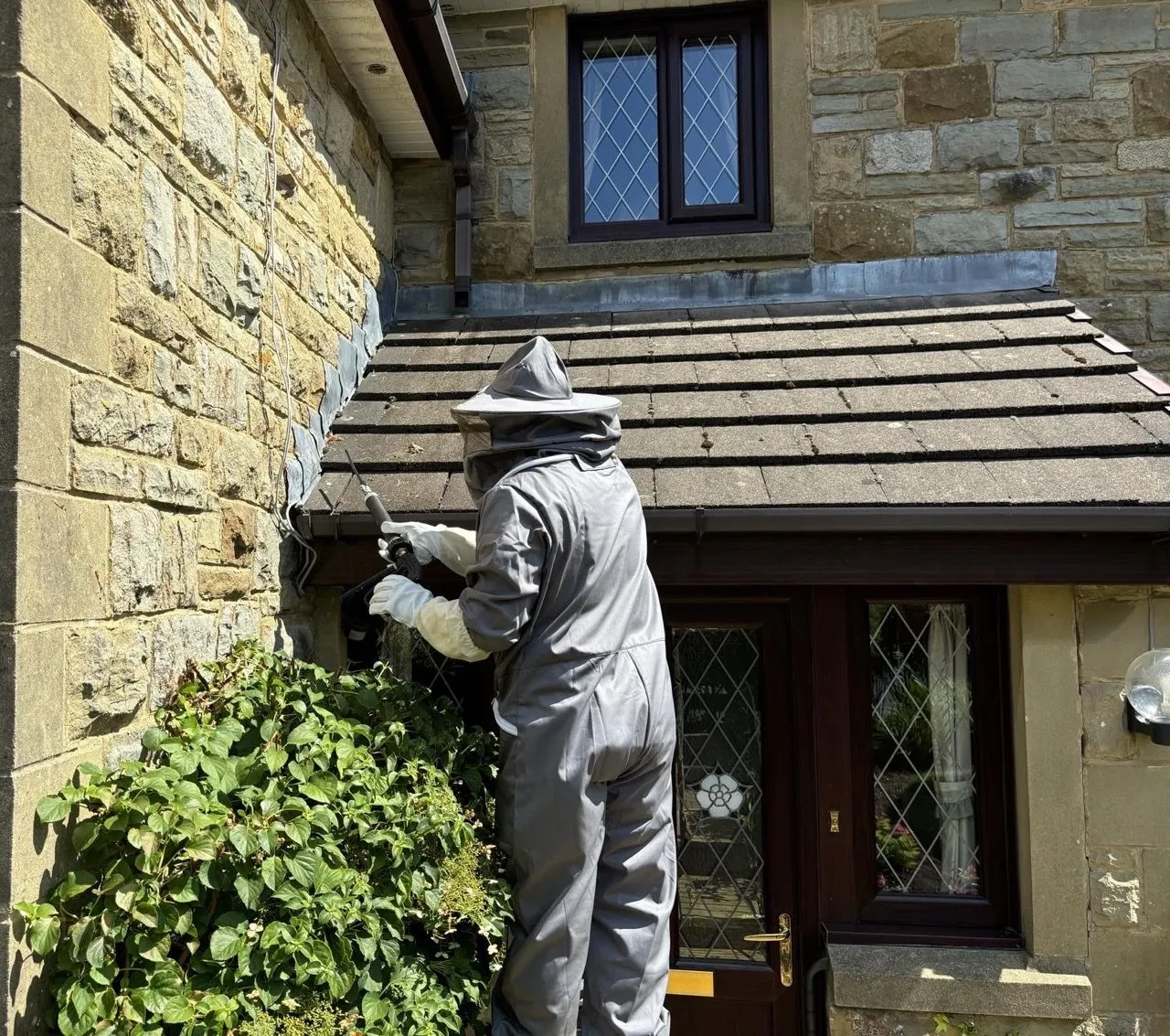
Where suitable, we use insecticidal dusting powder around the nest entrance or access point.
The wasps pass through the treated area and carry the insecticide back into the nest.
How we treat the problem depends on where the nest is and how easy it is to reach.
What Happens Afterwards?
You may still see some wasps for a while after treatment.
That doesn’t necessarily mean the treatment hasn’t worked. Wasps that have been away from the nest may still return.
It’s important not to block the entrance straight away unless we tell you to. The returning wasps may need to pass through the treated area.
We’ll let you know what to expect after treatment and whether anything else needs doing.
Does the Nest Need to Be Removed?
Not always.
In many cases, once the nest has been successfully treated, there’s no need to physically remove it.
Whether the nest should be removed depends on where it is, how easy it is to get to and whether removing it serves any real purpose.
We can advise you once we’ve seen the situation.
Why You Shouldn’t Disturb a Wasp Nest
Wasps can become defensive when they feel the nest is under threat.
Trying to knock a nest down, spray it yourself or block the entrance can make the situation worse and increase the chance of being stung.
It’s particularly worth getting professional help if the nest is:
- In a loft
- Inside a roof
- In a wall cavity
- Close to a door or window
- Near children or pets
- Near staff or customers
- High up or difficult to reach
- Producing a lot of wasp activity
If someone has a serious reaction to a wasp sting, seek medical help straight away.
Can I Remove a Wasp Nest Myself?
Trying to remove or treat an active wasp nest yourself can be risky, particularly if the nest is large, difficult to access or close to a busy area.
If you’re unsure, it’s safer to have the nest assessed first.
Wasp Nest Removal for Homes in Yorkshire
We deal with wasp nests in and around homes across Yorkshire.
Nests are often found in lofts, roof spaces, sheds, garages and wall cavities, but they can turn up in plenty of other places too.
If a nest is close to a doorway, garden, patio or somewhere you use regularly, the problem can quickly become difficult to ignore.
If you know where the nest is, tell us when you get in touch. If you don’t, we can help work out where the wasps are getting in.
Wasp Control for Businesses
Wasps can also be a problem for businesses, especially when they’re active near entrances, outdoor seating areas, staff or customers.
We can help with wasp problems at:
- Offices
- Shops
- Warehouses
- Workshops
- Hospitality businesses
- Managed properties
- Commercial yards
- Outdoor customer areas
If wasps are causing a problem at your premises, get in touch and we’ll talk you through the next step.
How Much Does Wasp Nest Removal Cost?
The price of treating a wasp nest can vary.
The cost depends on:
- Where the nest is
- How easy it is to reach
- How many nests there are
- The type of property
- The treatment needed
- Where you are based
If you contact us with a few details about the problem, we can give you a better idea of the likely cost.
If you need professional wasp nest removal in Yorkshire, get in touch with Bawcro Pest Control for current pricing and availability.
Wasp Nest Removal Near You
Bawcro Pest Control provides wasp nest treatment across Yorkshire.
If you’re seeing a lot of wasp activity around your property, let us know where you are and what you’ve noticed.
If you can see the nest, great. If not, tell us where the wasps are going in and out.
We can then advise you on what to do next.
Where Do Wasps Build Nests?
Wasps usually look for somewhere sheltered and relatively undisturbed.
Some of the places we commonly find them include:
Roofs and Eaves
Small gaps around the roofline can give wasps access to protected areas inside the roof.
Lofts
Lofts are quiet, sheltered and often left undisturbed, which can make them a suitable place for a nest.
Wall Cavities
Wasps can get into wall cavities through gaps, vents and other small openings.
Sheds and Garages
Outbuildings can provide plenty of sheltered nesting spots.
Trees and Hedges
Not every nest is inside a building. Wasps can also build nests in trees, hedges and other protected outdoor areas.
If you keep seeing wasps using the same gap or opening, avoid sealing it until the nest has been dealt with.
.
Preventing Future Wasp Problems
You can’t stop every wasp from choosing your property, but a few simple things can help.
These include:
- Keeping outdoor bins closed
- Cleaning up food and drink spills
- Repairing damaged vents or screens
- Keeping sheds and outbuildings in good condition
- Checking rooflines for obvious gaps
- Sealing suitable openings once an old nest is no longer active
Don’t seal a hole while wasps are still using it unless you’ve been advised to do so.
Wasp Nest Removal Yorkshire FAQs
How do I know if I have a wasp nest?
If wasps are repeatedly going in and out of the same hole, gap or part of the roof, there’s a good chance a nest is nearby.
What if I can’t see the nest?
That’s common. Nests are often hidden inside lofts, roofs or wall cavities. The main thing is to identify where the wasps are entering and leaving.
Should I block the hole where the wasps are getting in?
Not while the nest is active. Blocking the entrance can cause the wasps to look for another way out, which can make the problem worse.
Do you always remove the nest?
No. In many cases, treating the colony is enough and the old nest can be left where it is.
How long does wasp treatment take to work?
It varies depending on the size and location of the nest. You may still see some wasp activity after treatment as returning workers come back to the nest.
Can wasps come back?
A new colony does not normally reuse an old wasp nest, although another queen may choose a nearby location in the future.
What if the nest is in my loft?
Avoid disturbing it. We can assess where the wasps are entering and recommend the most appropriate treatment.
Do you treat homes and commercial properties?
Yes. Bawcro Pest Control provides wasp control for homes, farms, estates and commercial properties throughout Yorkshire.
Can I Remove a Wasp Nest Myself?
It’s one of the most common questions we’re asked.
While there are plenty of DIY products available, wasp nest removal isn’t always as straightforward as it seems. Disturbing an active nest can increase the risk of stings and make the situation much worse.
Read our guide: Can I Remove a Wasp Nest Myself?
How much does wasp treatment cost?
The cost depends on the location of the nest, how accessible it is and the treatment required. Please contact us for current pricing.
Why Choose Bawcro Pest Control?
If you’ve got a wasp problem, you want it dealt with properly and with as little fuss as possible.
At Bawcro Pest Control, we’ll take a look at what’s happening, work out where the nest is and explain the best way to deal with it.
We’ll also tell you what to expect afterwards, so you’re not left wondering whether the treatment has worked.
No unnecessary jargon. No guesswork. Just practical help with the problem in front of you.
Got a Wasp Problem in Yorkshire?
If you’ve got wasps going in and out of your roof, loft, wall, shed, garage or another part of your property, get in touch with Bawcro Pest Control.
It helps if you can tell us:
- Where you are
- Where you’re seeing the wasps
- Whether you can see the nest
- How much activity there is
From there, we can advise you on the next step, pricing and availability.