Professional Deer Control and Management
Bawcro provides professional deer management across Yorkshire for farms, estates, agricultural land, woodland and commercial sites.
Growing deer populations can cause significant problems where numbers are no longer sustainable for the surrounding environment. Crop damage, browsing of young trees and vegetation, damage to woodland and pressure on natural habitats can all result from persistent deer activity.
Our DS1 and DS2 qualified team provides professional deer control and management, assessing the individual site and recommending an appropriate approach based on the deer population, surrounding land and the problems being caused.
Deer Pest Control for Farms, Estates and Landowners
Where deer populations are causing significant damage, professional deer pest control and population management may be required.
Deer management is very different from conventional pest control. Any action needs to consider the species present, population levels, surrounding environment, welfare and the long-term management of the land.
Bawcro works with farmers, estates, landowners and businesses to develop responsible deer management programmes tailored to individual sites.
Deer Species in the UK
Several deer species are found across the UK and correctly identifying the species present is an important part of effective deer management.
Different species vary in size, behaviour, habitat and population density.
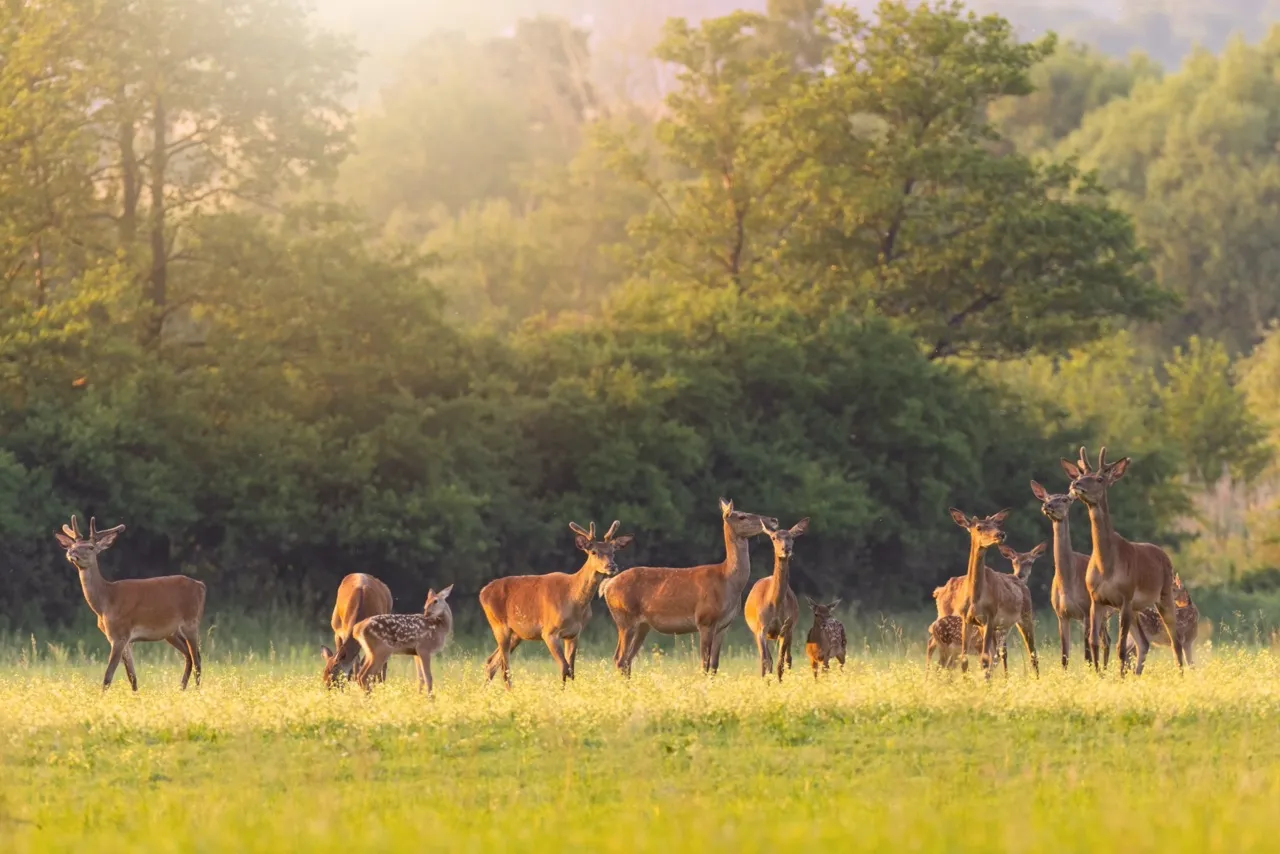
Red Deer
Red deer are the largest native land mammal in Britain.
Where populations are high, grazing and browsing can place considerable pressure on woodland, crops and other vegetation.
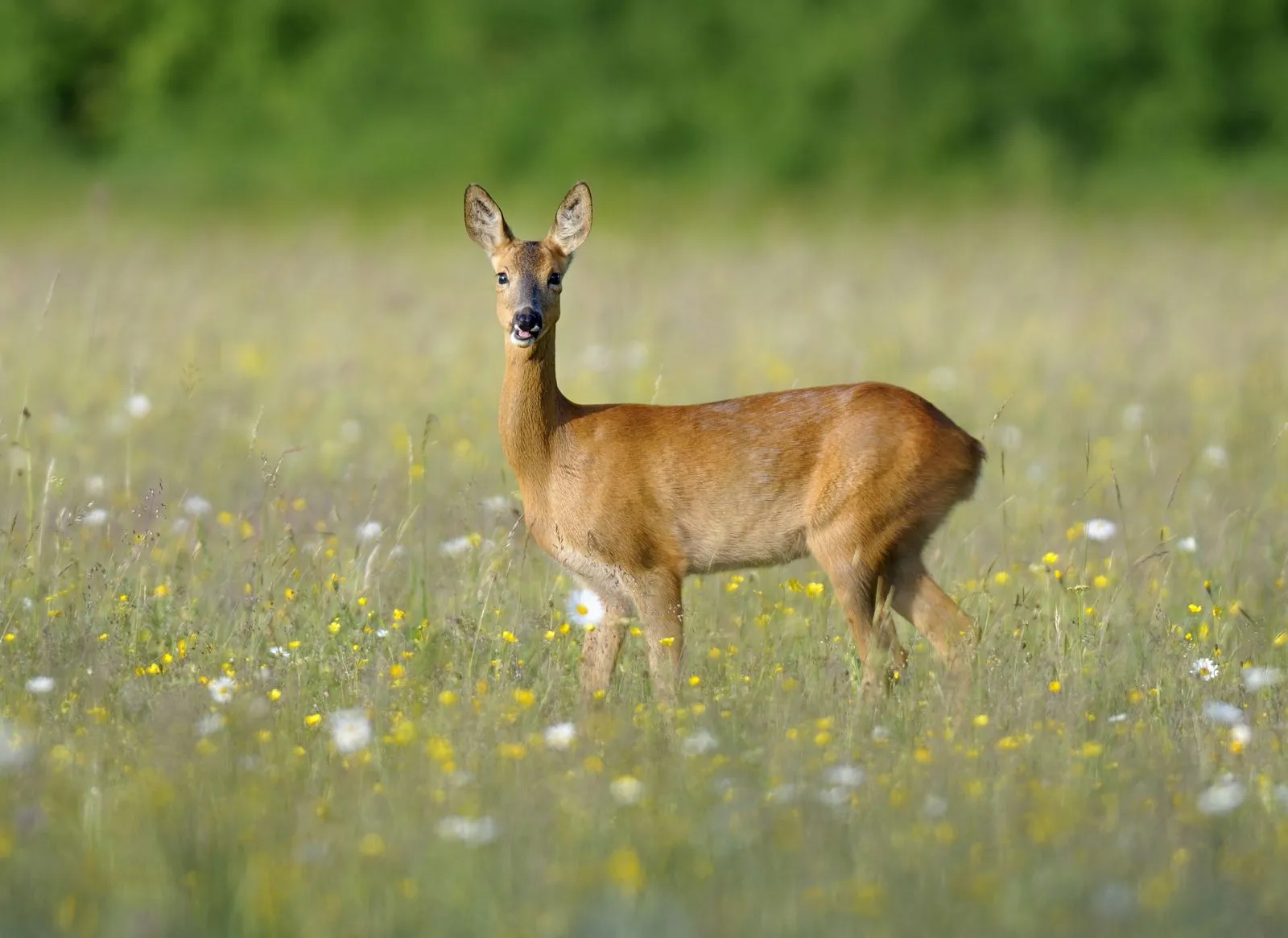
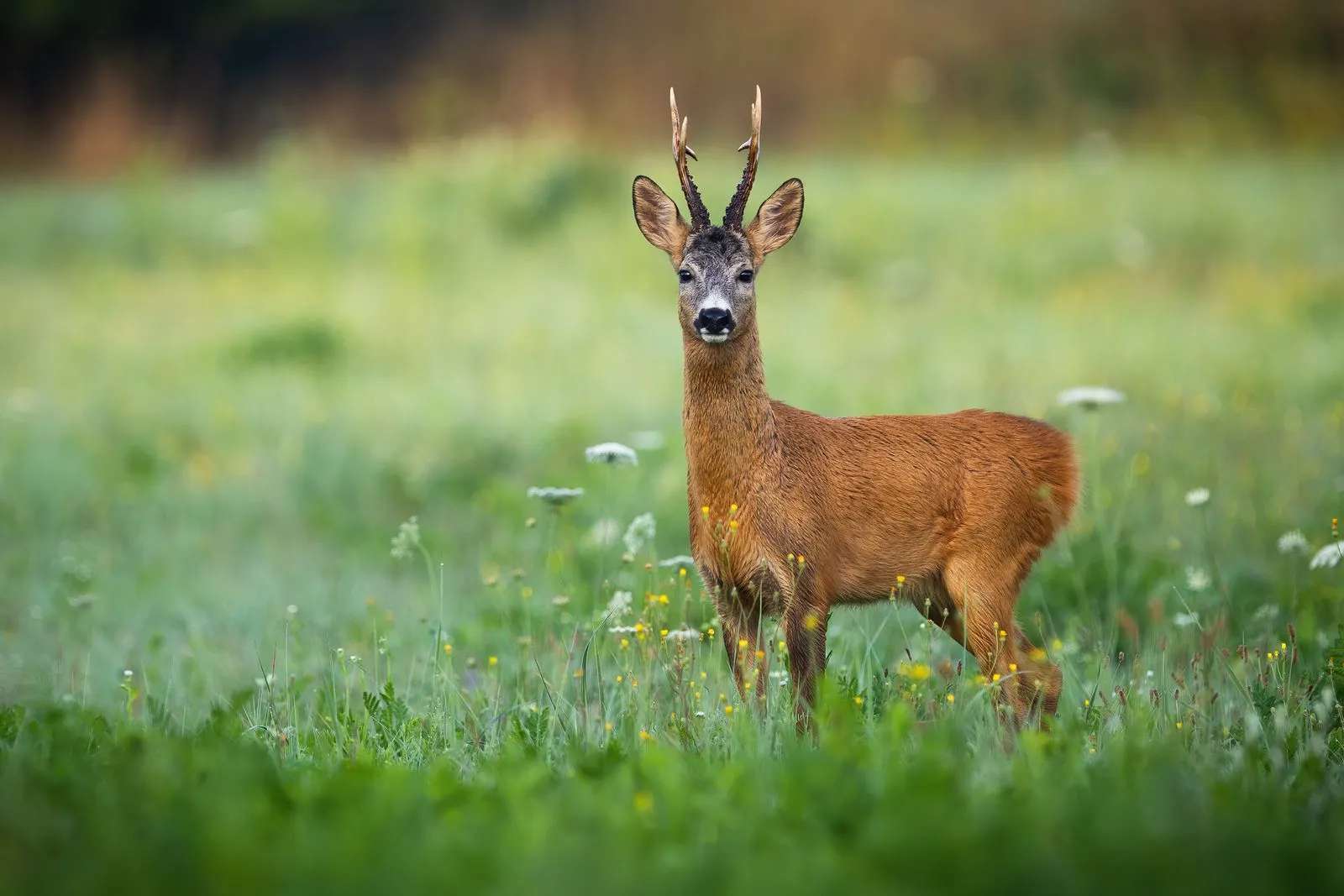
Roe Deer
Roe deer are widespread across Britain and are commonly found in woodland, farmland and areas where suitable cover is available.
They can cause damage to young trees, crops and vegetation through browsing.
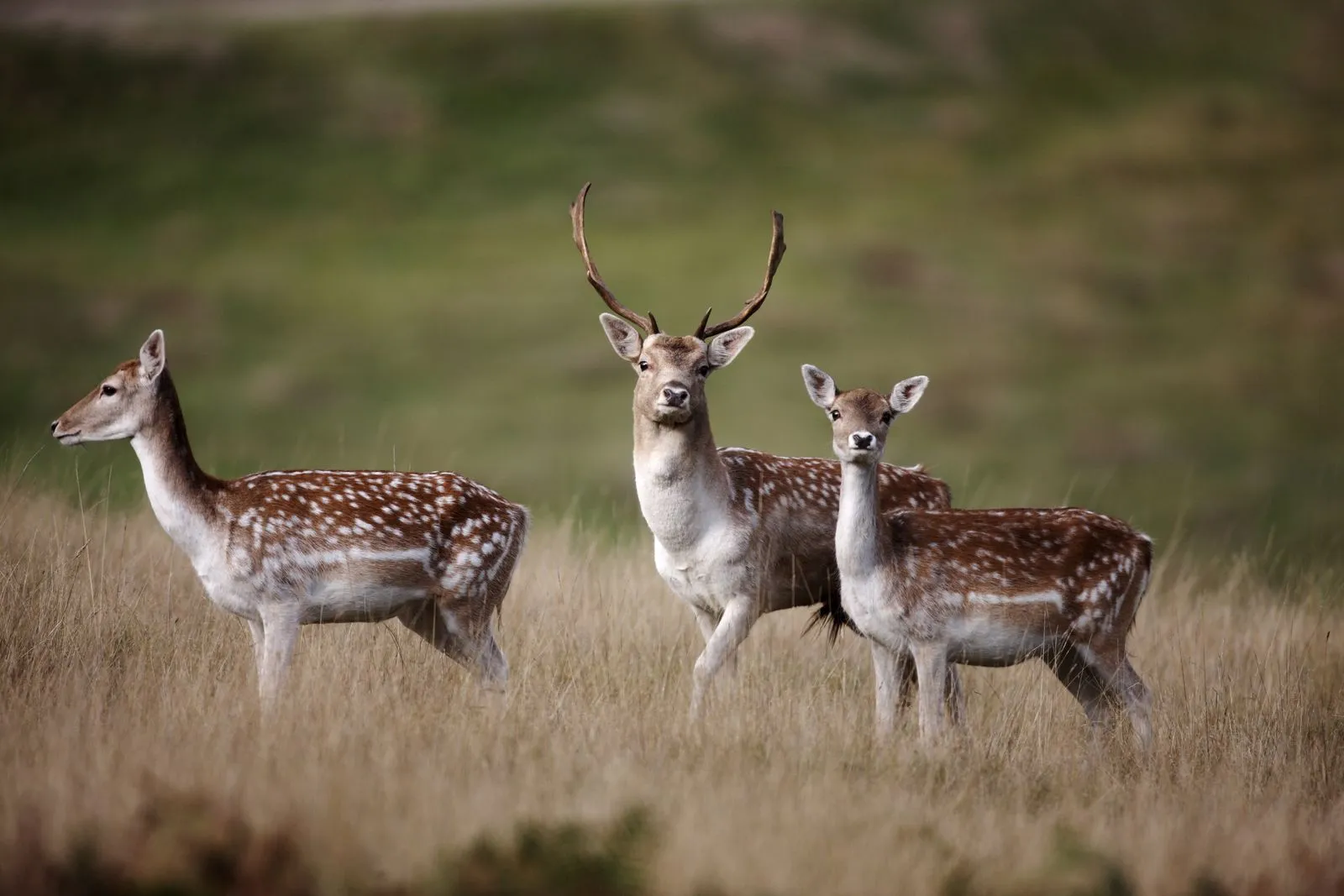
Fallow Deer
Fallow deer are often found in woodland and parkland but can also move onto surrounding agricultural land.
Larger groups can place significant pressure on crops, woodland and vegetation.
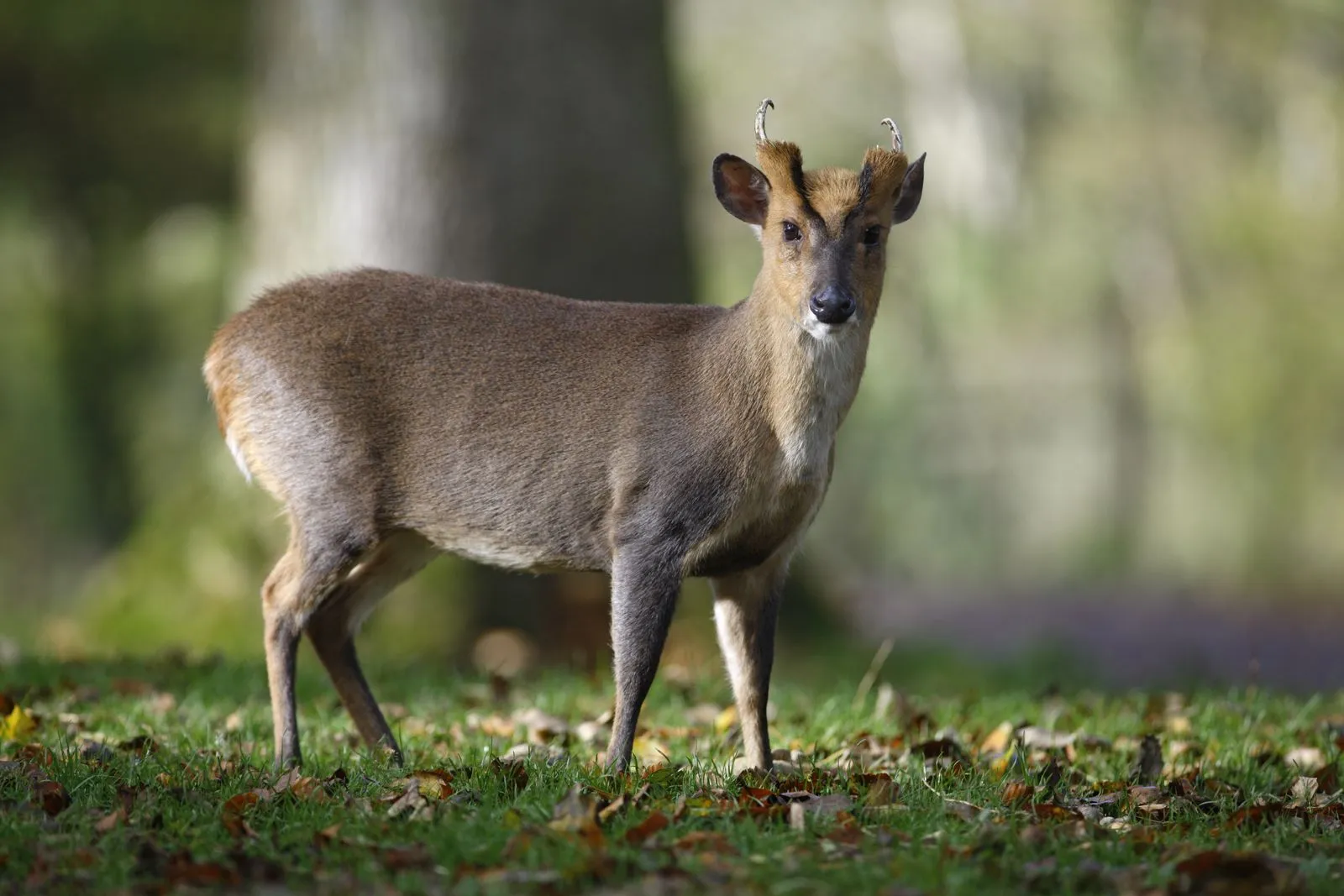
Muntjac Deer
Muntjac are smaller deer but can still cause substantial damage, particularly to woodland vegetation and young plants.
Unlike some other deer species, muntjac can breed throughout the year, which can contribute to increasing populations where conditions are favourable.
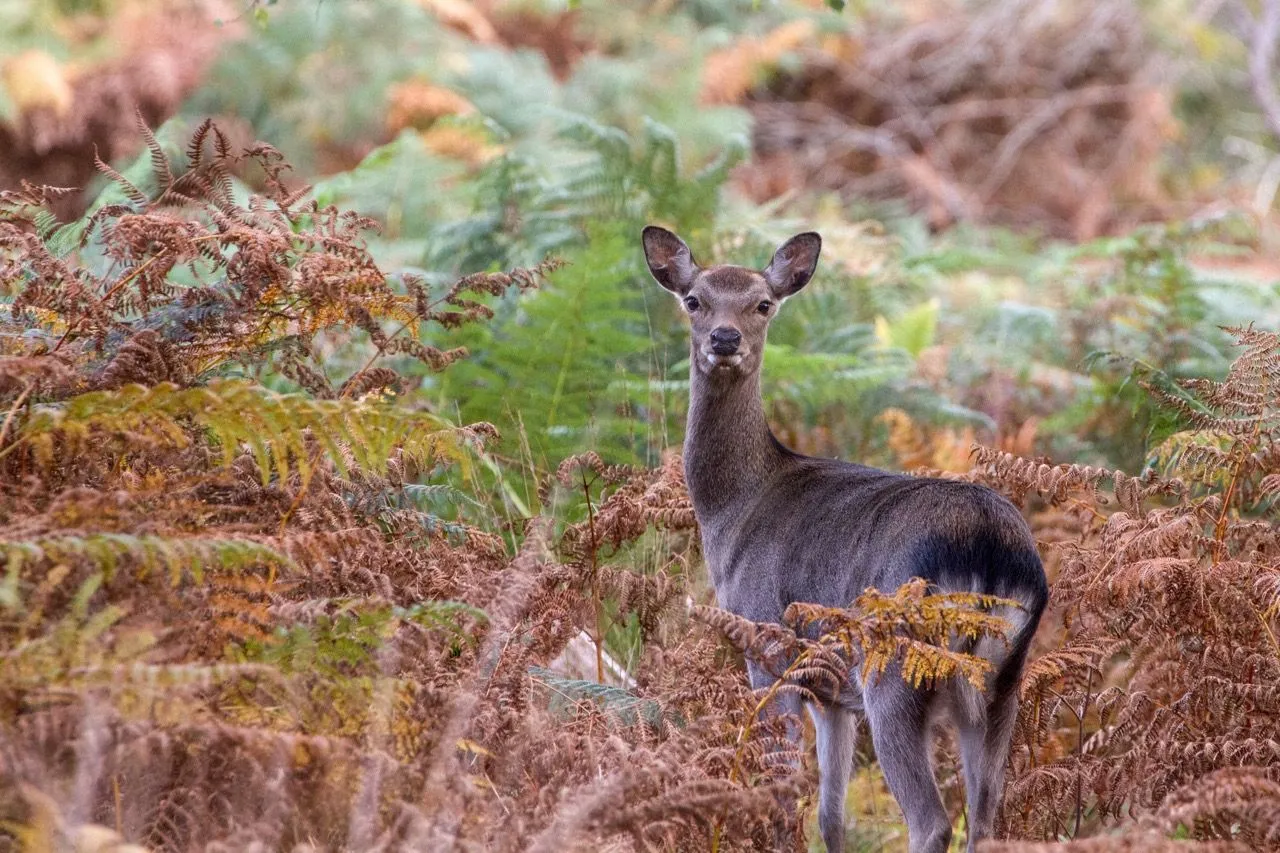
Sika Deer
Sika deer are found in several parts of Britain and can cause similar browsing and grazing problems to other deer species where populations become established.
Problems Caused by Deer
Deer are an important part of the countryside, but excessive populations can create problems for agriculture, forestry, estates and the wider environment.
The extent of the damage will depend on deer numbers, species, available food and the type of land involved.
Deer Damage to Crops
Deer can feed on a wide range of agricultural crops.
Repeated grazing and browsing can reduce yields and damage developing plants, particularly where deer regularly move between woodland and neighbouring farmland.
Fields close to established deer habitat can experience repeated activity if populations are not appropriately managed.
For wider pest and wildlife problems affecting agricultural land, visit our Agricultural Pest Control in Yorkshire service.
Deer Damage on Farms
Deer can affect both crops and other areas of working farms.
Damage may occur across fields, boundaries, young planting and areas close to woodland.
Where deer activity forms part of a wider farm pest problem, Bawcro can assess the site and recommend appropriate management.
Find out more about our Farm Pest Control services.
Deer Damage to Trees and Woodland
High deer populations can have a significant impact on woodland.
Browsing of young trees, shoots and other vegetation can prevent natural regeneration and make it more difficult for newly planted trees to establish.
Deer may also damage trees through bark stripping and rubbing.
Over time, excessive browsing can alter the structure and diversity of woodland.
Ecological Impact of High Deer Populations
Deer management is not only about protecting crops and commercial interests.
Where populations become too high for the available habitat, heavy browsing can reduce plant diversity and affect woodland regeneration.
This can have wider consequences for habitats and other wildlife.
Maintaining deer populations at sustainable levels can therefore form an important part of responsible land and wildlife management.
Why Are Deer Populations Increasing?
Several factors can contribute to increasing deer numbers.
Suitable habitat, readily available food and limited population management can allow deer numbers to grow.
Some species are also highly adaptable and can thrive across woodland, farmland and other environments.
Where populations increase beyond what the land can sustainably support, damage to crops, trees and habitats can become increasingly noticeable.
Read our guide to Deer Population Control for Crops and Farmland for more information.
Professional Deer Surveys
Understanding the extent of deer activity is an important first step.
A professional survey can help identify the species present, signs of activity, areas being damaged and how deer are using the surrounding land.
This information can then be used to develop an appropriate deer management plan.
Deer Population Management
Where deer numbers are causing significant agricultural, environmental or woodland damage, population management may be necessary.
The appropriate approach will depend on the individual site, species present, population levels and management objectives.
Our team can assess these factors and develop a practical long-term programme rather than simply responding to individual incidents.
Selective Deer Culling
Where appropriate and necessary, selective culling can form part of a professional deer management programme.
This should be carefully planned and undertaken by suitably experienced and qualified professionals.
Our DS1 and DS2 qualified team can assess deer populations and determine whether population reduction should form part of the wider management strategy.
Habitat Management
Managing the habitat can also play an important role in deer management.
Understanding where deer feed, shelter and move across a site can help identify areas where changes may reduce damage or help protect vulnerable crops and vegetation.
Habitat management may be used alongside population management and other preventative measures.
Long-Term Deer Management Plans
Deer populations and their impact can change over time.
For farms, estates and larger areas of land, ongoing monitoring can provide a better understanding of population levels and whether management measures are achieving the required results.
A long-term plan can be particularly valuable where protecting woodland, crops or sensitive habitats is an ongoing priority.
Qualified Deer Management
Deer management requires specialist knowledge and experience.
Bawcro's team includes DS1 and DS2 qualified professionals, providing the knowledge required to assess deer populations and undertake appropriate management.
We are also members of the British Deer Society, supporting responsible and professional deer management.
Deer Management for Estates
Large estates can contain a mixture of woodland, agricultural land, parkland and other habitats suitable for deer.
Managing deer across these environments may require a coordinated approach rather than focusing on individual areas of damage.
Bawcro provides wider Pest and Wildlife Management for Estates, including deer and other species affecting managed land.
Why Choose Bawcro for Deer Management?
Bawcro provides specialist pest and wildlife management across Yorkshire.
Our approach to deer control considers the population, species, habitat, damage being caused and long-term objectives for the land.
With DS1 and DS2 qualified professionals, we can provide surveys, population management, habitat advice and longer-term deer management programmes for farms, estates, agricultural land and woodland.
Deer Management Across Yorkshire
Bawcro provides professional deer management and deer control throughout Yorkshire.
Whether deer are damaging crops, preventing woodland regeneration, affecting young trees or creating wider problems across an estate, farm or area of managed land, we can assess the situation and recommend an appropriate approach.
Speak to Bawcro About Deer Management
If deer are causing problems on your farm, estate, woodland or agricultural land, contact Bawcro to discuss professional deer management.
Call 0113 403 5504 to speak to our team.