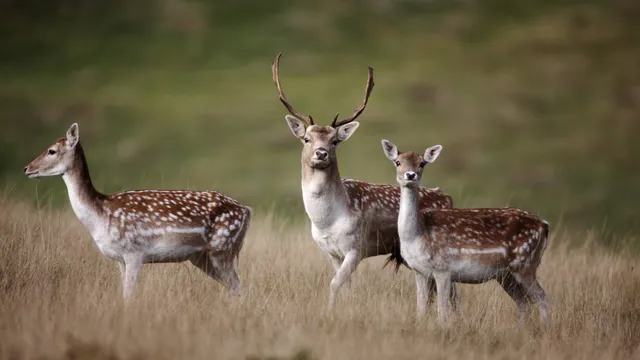
Deer Population Control: Protecting Crops, Trees and Farmland
Posted on the
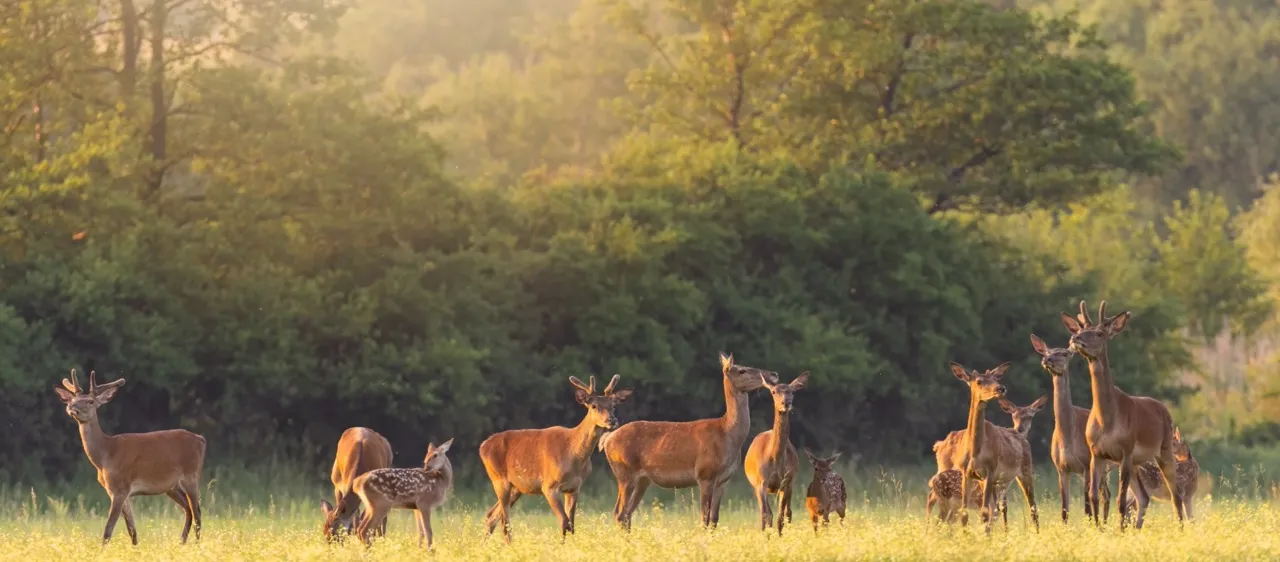
Deer are an important part of the British countryside, but where populations become too large they can cause significant problems for farmers, landowners, estates and woodland managers.
With few natural predators and access to plentiful food and suitable habitat, deer populations can increase considerably in some areas. When numbers become difficult to manage, the impact can be seen across farmland, crops, young trees and woodland.
Effective deer population control isn't about removing deer altogether. It is about managing numbers responsibly to reduce damage while maintaining a healthy and sustainable deer population.
Why Can Deer Populations Become a Problem?
Deer can thrive in a wide range of rural environments, particularly where woodland, farmland and good feeding opportunities exist close together.
Problems tend to develop when the number of deer using an area becomes greater than the land can comfortably support.
As numbers increase, feeding pressure also increases. Deer may move beyond woodland and established grazing areas in search of additional food, bringing them into agricultural fields, newly planted areas and other valuable land.
For farmers and landowners, repeated deer activity can result in considerable financial damage over time.
What Damage Can Deer Cause to Crops?
Deer will feed on a wide range of agricultural crops and vegetation.
Depending on the species, location and time of year, damage can include grazing on growing crops, browsing young plants and trampling areas as deer move and feed.
Fields close to woodland, cover or established deer routes can be particularly vulnerable because deer can move between sheltered areas and feeding grounds.
A small amount of occasional activity may cause relatively little concern. However, where a significant deer population repeatedly feeds on the same land, crop losses can become much more substantial.
Farmers experiencing persistent problems can find out more about Bawcro's Farm Pest Control in Yorkshire services.
Deer Damage to Trees and Woodland
Agricultural crops aren't the only concern.
Deer can cause considerable damage to trees and woodland, particularly young trees and newly planted areas.
Browsing can remove shoots, leaves and buds and prevent young trees from establishing successfully. Deer can also damage trees through bark stripping and rubbing.
Where new woodland, commercial forestry or young trees are being established, repeated deer pressure can seriously affect growth and regeneration.
This is one reason deer management needs to consider the overall population and the land being affected, rather than simply responding to individual animals as they appear.
Signs Deer Are Damaging Your Land
The presence of deer doesn't automatically mean there is a problem. The important question is whether their numbers and behaviour are causing unacceptable damage.
Signs of increasing deer pressure can include:
- Damage to growing crops
- Browsed shoots and young plants
- Damage to newly planted trees
- Bark damage
- Regular deer tracks and trails
- Droppings across fields or woodland
- Repeated sightings of groups of deer
- Increasing activity around the same feeding areas
- Damage returning despite preventative measures
Monitoring these signs over time can help establish whether occasional deer activity is developing into a more significant management issue.
Why Deer Management Is About Population Control
Dealing with deer effectively requires a longer-term view.
If a local population is larger than the available habitat can sustainably support, simply protecting one crop or one section of land may move the problem elsewhere.
Professional deer management considers factors such as population size, deer species, habitat, available food, surrounding land and the extent of the damage being caused.
The objective is to establish an appropriate management strategy for the individual site.
Bawcro provides professional Deer Control in Yorkshire for farmers, estates, landowners and other rural sites experiencing problems with deer.
Can Fencing and Deterrents Stop Deer?
Physical protection can form an important part of deer management.
Depending on the site, fencing, tree protection and changes to land management may help reduce access to vulnerable crops or young planting.
However, large agricultural and rural sites can make complete exclusion difficult or impractical.
Deer are highly mobile and protecting one area may simply change where they feed. Where there is an established population across a larger area, the underlying population may therefore still need to be assessed.
The right solution depends on the land, the scale of the problem and the level of damage being experienced.
Managing Deer Across Farms and Estates
Large farms, estates and rural properties often require a broader approach because wildlife does not remain within individual fields or property boundaries.
Understanding where deer are feeding, resting and travelling can help identify why particular areas are experiencing repeated damage.
This can form part of a wider land management strategy alongside the management of other wildlife affecting crops and rural land.
Bawcro's Land and Wildlife Management services provide support for landowners and estates dealing with wider wildlife management issues.
For agricultural businesses experiencing several different pest pressures, our Agricultural Pest Control Services cover rodents, pest birds and wildlife across agricultural sites and land.
When Should You Consider Professional Deer Control?
Seeing deer on your land doesn't necessarily mean intervention is required.
Professional assessment becomes more important where there is persistent crop damage, repeated damage to young trees or woodland, increasing deer numbers or evidence that existing preventative measures are no longer sufficient.
Acting before damage becomes severe can also make it easier to develop a planned management approach rather than continually responding to individual incidents.
Any deer management or control must be carried out appropriately and in accordance with relevant wildlife legislation.
Deer Control Across Yorkshire
Bawcro provides specialist deer control and deer management across Yorkshire, working with farmers, landowners, estates and rural businesses.
We assess the site, the level of deer activity and the damage being caused before recommending an appropriate approach.
Our wider experience in agricultural pest control and land management also means we can consider deer activity as part of the wider pressures affecting farms, estates and rural land.
Need Help With Deer on Your Land?
If deer are causing repeated damage to crops, trees, woodland or farmland, speak to Bawcro Pest Control.
Our team can assess the activity and discuss an appropriate deer management strategy for your land.
Call Bawcro Pest Control on 0113 403 5504 or contact our team to discuss deer control in Yorkshire.
Further Reading