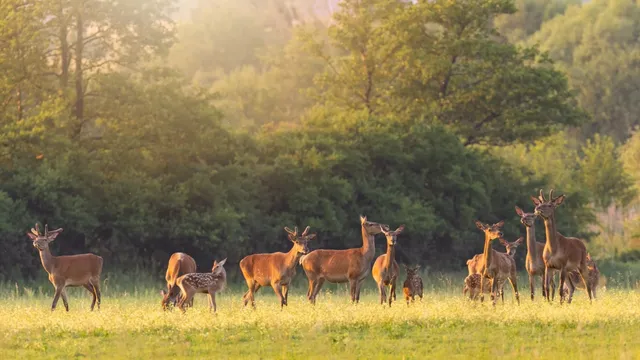
How to Stop Deer Damaging Crops, Trees and Woodland
Posted on the
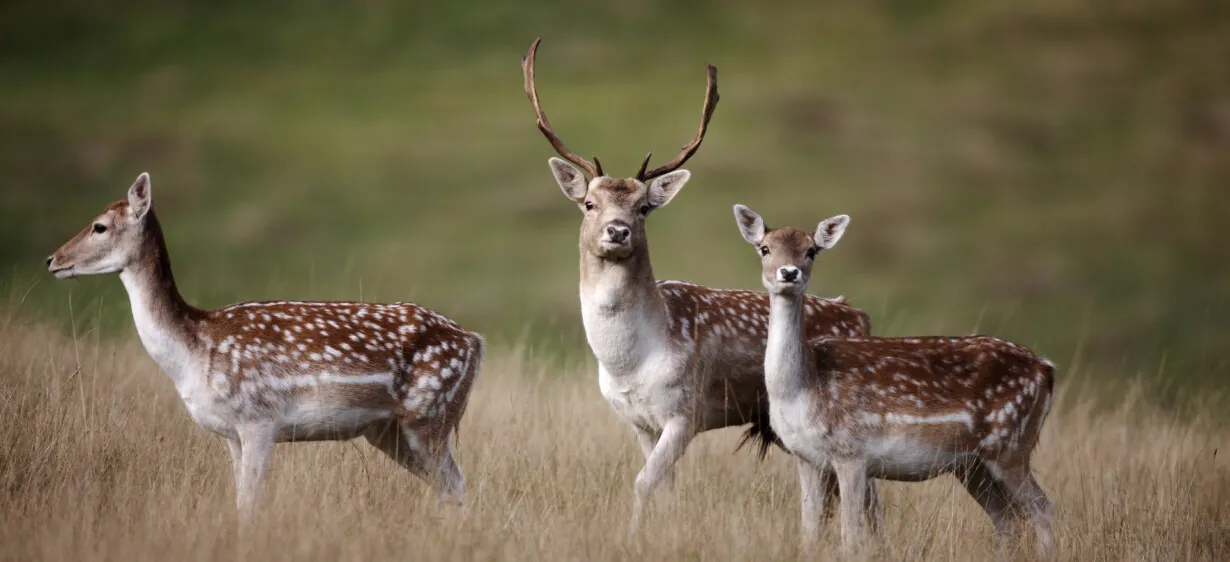
How to Stop Deer Damaging Crops and Trees
Deer can cause considerable damage to crops, young trees and woodland when they regularly feed on the same land.
For farmers, estates and landowners, the problem isn't always immediately obvious. A small amount of browsing can quickly develop into repeated damage as deer return to a reliable food source, particularly where farmland borders woodland or other areas providing shelter.
Understanding why deer are using the land and where the damage is occurring is the first step towards finding an effective way to manage the problem.
What Does Deer Damage Look Like?
Deer feed by browsing and grazing a wide variety of vegetation. The type of damage will depend on the deer species present, the time of year and what is available to feed on.
Common signs include:
- Crops grazed or browsed
- Damage to young plants and shoots
- Missing buds and leaves
- Damage to newly planted trees
- Bark stripping
- Rubbing damage to tree trunks
- Deer tracks through crops and woodland
- Droppings around feeding areas
- Regular paths between woodland and fields
Repeated damage in the same areas can be a sign that deer are regularly using the land for feeding.
Why Do Deer Keep Returning?
Deer will naturally return to areas that provide reliable food, shelter and suitable habitat.
Farmland adjoining woodland can be particularly attractive because deer can remain sheltered during parts of the day before moving onto agricultural land to feed.
Once established feeding routes develop, the same fields, crops or areas of woodland may experience repeated pressure.
Simply discouraging deer from one small area may therefore not address the wider problem.
How Can You Protect Crops From Deer?
There isn't one solution that will work for every farm.
The appropriate approach depends on the crop, size of the land, deer population and surrounding environment.
Deer Fencing
Fencing can be an effective way of preventing deer from accessing vulnerable areas when correctly designed and installed.
However, protecting large areas of farmland can be considerably more challenging than protecting a smaller plantation or individual area.
The practicality and cost of fencing therefore need to be considered against the value of the crop and the extent of the problem.
Protecting Individual Trees
Young and newly planted trees can be particularly vulnerable to browsing.
Tree guards and other physical protection can help prevent deer reaching young growth while trees become established.
On larger planting schemes, however, protecting every individual tree may not always be practical.
Managing Access and Habitat
Understanding how deer are entering and moving across the land can help identify areas where preventative measures could be effective.
Established tracks, woodland edges, gaps in boundaries and areas of cover can all influence deer movement.
Changes to the way particular areas are managed may form part of a wider deer management plan.
How Do You Protect Woodland From Deer?
Deer pressure can have a significant effect on woodland regeneration.
Young trees, shoots and other vegetation can be repeatedly browsed before they have an opportunity to establish. Over time, this can affect both woodland development and the range of vegetation able to grow successfully.
Protecting woodland may involve a combination of monitoring, physical protection and population management.
The important factor is understanding whether the level of browsing is sustainable or whether deer numbers are preventing successful regeneration.
When Prevention Isn't Enough
Fencing and physical protection can be valuable, but they don't necessarily address the underlying deer population.
Where significant numbers of deer are established across farmland, estates or woodland, protecting one area may simply cause the animals to feed somewhere else.
If crop or woodland damage continues despite preventative measures, the wider deer population may need to be assessed.
Bawcro provides professional Deer Control and Management in Yorkshire, including assessment and appropriate population management for farms, estates and landowners.
Why Deer Population Management May Be Needed
The objective of deer management isn't to eliminate deer from the countryside.
Where populations become too large for the available habitat, responsible management can help reduce pressure on crops, trees and woodland while supporting a healthier and more sustainable population.
The appropriate approach will depend on deer numbers, species, habitat, land use and the level of damage being experienced.
You can read more about this in our guide to deer population control for farms and farmland.
Deer Damage on Farms
For farms, deer activity can form part of a wider pest and wildlife management problem.
Rabbits may also damage crops, while rodents and pest birds can create problems around grain, animal feed and agricultural buildings.
Bawcro's Farm Pest Control in Yorkshire service provides pest management specifically for working farm environments.
For wider agricultural sites and land, see our Agricultural Pest Control Services.
Managing Deer Across Larger Estates and Land
Larger estates and rural properties can require a broader approach.
Deer may move across woodland, agricultural land and neighbouring areas, making it important to consider the wider habitat rather than individual areas of damage in isolation.
Bawcro's Land and Wildlife Management services can support landowners dealing with deer and other wildlife pressures across larger sites.
When Should You Get Professional Advice?
Occasional deer activity doesn't necessarily require intervention.
Professional advice may be appropriate where:
- Crop damage is becoming persistent
- Young trees repeatedly fail to establish
- Woodland regeneration is being affected
- Deer numbers appear to be increasing
- Existing fencing or protection is no longer effective
- Damage is occurring across several areas of the property
Assessing the problem early can help establish whether preventative measures are sufficient or whether a longer-term deer management plan is required.
Deer Management Across Yorkshire
Bawcro works with farmers, estates, landowners and woodland managers across Yorkshire to manage deer activity and reduce damage to crops, trees and land.
Our DS1 and DS2 qualified team can assess the site, deer activity and level of damage before recommending an appropriate management approach.
Are Deer Damaging Your Crops or Trees?
If deer are repeatedly damaging crops, young trees or woodland, speak to Bawcro Pest Control.
We can assess the activity and discuss practical options for protecting your land and managing the wider deer population.
Call Bawcro Pest Control on 0113 403 5504 or contact our team to discuss deer management in Yorkshire.
Further Reading