How to Keep Rats Out of Farm Buildings and Feed Stores
Posted on the
How to Keep Rats Out of Farm Buildings and Feed Stores
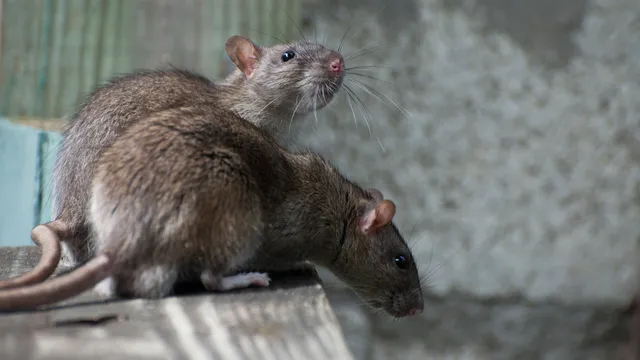
Rats are one of the most persistent pest problems on farms. With access to animal feed, grain, water and plenty of places to shelter, agricultural sites can provide ideal conditions for rats to establish and multiply.
Once present, rats can contaminate feed, damage buildings and equipment and become increasingly difficult to control.
Keeping rats out therefore relies on more than reacting when one is spotted. Good storage, regular monitoring, proofing and professional control where necessary can all help reduce the risk.
Why Are Rats Attracted to Farms?
Farms can provide rats with the three things they need: food, water and shelter.
Animal feed, stored grain, spillages and waste can provide a reliable food source, while barns, livestock buildings, machinery stores and other relatively undisturbed areas can offer somewhere to shelter and breed.
This means even well-managed farms can experience rodent pressure, particularly where surrounding land already supports a rat population.
Signs of Rats Around Farm Buildings
Spotting rat activity early can make an infestation easier to manage.
Signs to look out for include:
- Droppings around feed stores and buildings
- Gnaw marks on feed bags, timber or other materials
- Burrows around buildings, banks and boundaries
- Greasy marks along regularly used routes
- Tracks or footprints in dusty areas
- Damaged feed bags or packaging
- Scratching or movement within buildings
- Rats seen around yards or buildings, particularly when the site is quiet
Regularly checking areas where feed is stored or livestock is housed can help identify activity before it develops into a larger problem.
Keep Animal Feed and Grain Secure
Food availability is one of the biggest factors influencing rat activity on farms.
Animal feed and grain should be stored securely wherever possible and damaged bags or containers dealt with promptly.
Spilled feed should also be cleared regularly rather than being allowed to accumulate beneath storage areas, around feeders or within farm buildings.
For sites storing significant quantities of grain, professional grain store pest control and management can provide additional monitoring and protection against rodents and other stored-product pests.
Reduce Places Where Rats Can Shelter
Cluttered and undisturbed areas can provide rats with excellent harbourage.
Keeping areas around farm buildings organised and removing unnecessary materials can make sites less attractive to rodents and make signs of activity easier to identify.
Particular attention should be given to areas around barns, feed stores, machinery buildings and boundaries where rats may be able to remain relatively undisturbed.
Check How Rats Are Getting Into Buildings
Rats can exploit gaps and openings around agricultural buildings to gain access to food and shelter.
Potential entry points can include gaps around doors, damaged building materials, openings around pipework and other weaknesses in the structure.
Simply controlling the existing rats without considering how they're gaining access can leave the property vulnerable to another infestation.
Professional pest proofing can help identify and address suitable entry points where appropriate.
Manage Waste Around the Farm
Waste can provide another reliable food source for rats.
Bins and waste-storage areas should be managed carefully and food-related waste should not be allowed to accumulate around farm buildings.
Keeping yards and surrounding areas as clean as practically possible can reduce available food and make rat activity easier to detect.
Pay Particular Attention to Feed Stores
Feed stores are naturally attractive to rodents and should be one of the main areas included in routine inspections.
Check regularly for droppings, damaged bags, gnaw marks and signs of movement around stored feed.
Where rat activity is identified, acting quickly can help reduce contamination and prevent the population becoming established throughout the site.
Don't Rely on Seeing a Rat
Not seeing rats doesn't necessarily mean they aren't there.
Rats are often most active when farms and buildings are quiet, and signs such as droppings, gnawing or burrows may be noticed before the animals themselves.
This is why routine inspection and monitoring are particularly valuable on farms.
Professional Rat Control on Farms
Where rats have become established, professional control may be required.
The appropriate approach depends on the extent of the infestation, layout of the farm and surrounding environment.
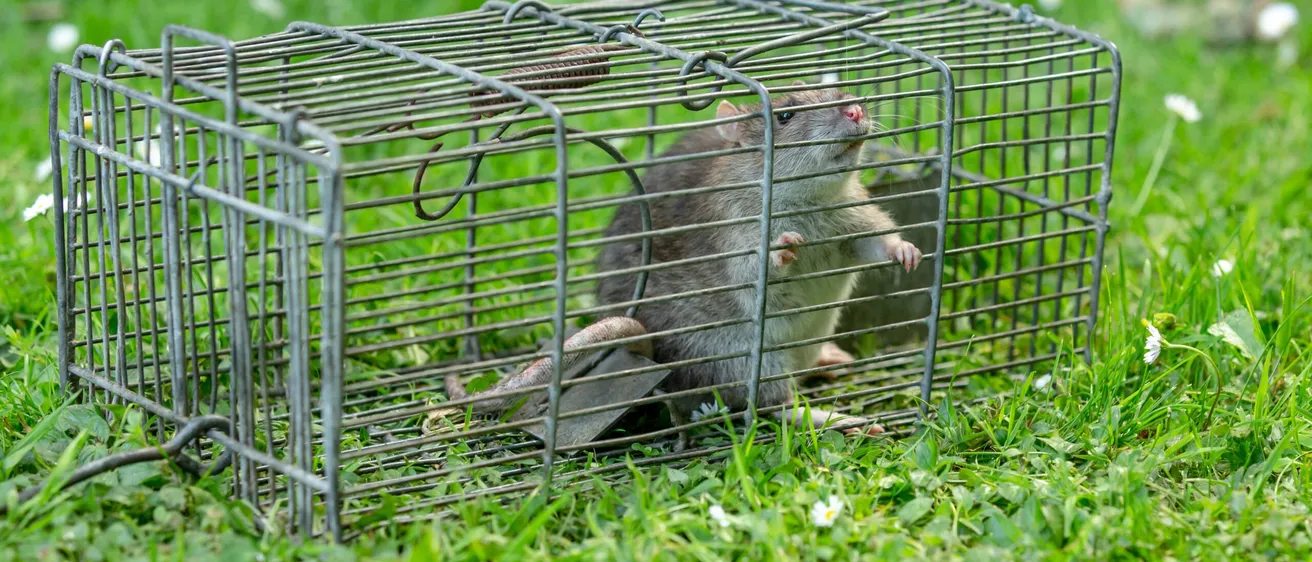
Bawcro provides professional rat removal and pest control across Yorkshire, using appropriate trapping, rodenticide treatment and monitoring according to the individual site.
Our team holds the Lantra Level 2 Award in Rodent Management, supporting the responsible management of rodent problems in agricultural and commercial environments.
Why Ongoing Rodent Management Matters
Farms can experience continual rodent pressure because food and shelter can't simply be removed in the same way they might be from other types of property.
This makes prevention and monitoring particularly important.
Regular inspections can identify fresh activity and allow action to be taken before rat numbers increase significantly.
For farms requiring wider pest management, Bawcro provides specialist farm pest control and agricultural pest control across Yorkshire.
These services can incorporate rodent management alongside other pest risks affecting the site.
Need Help With Rats on Your Farm?
If you've discovered signs of rats around farm buildings, animal feed or grain stores, Bawcro can assess the problem and recommend an appropriate control programme.
Call Bawcro Pest Control on 0113 403 5504 or contact our team.
Further Reading