Bawcro Attend BASC Deer Management Best Practice Day
Posted on the
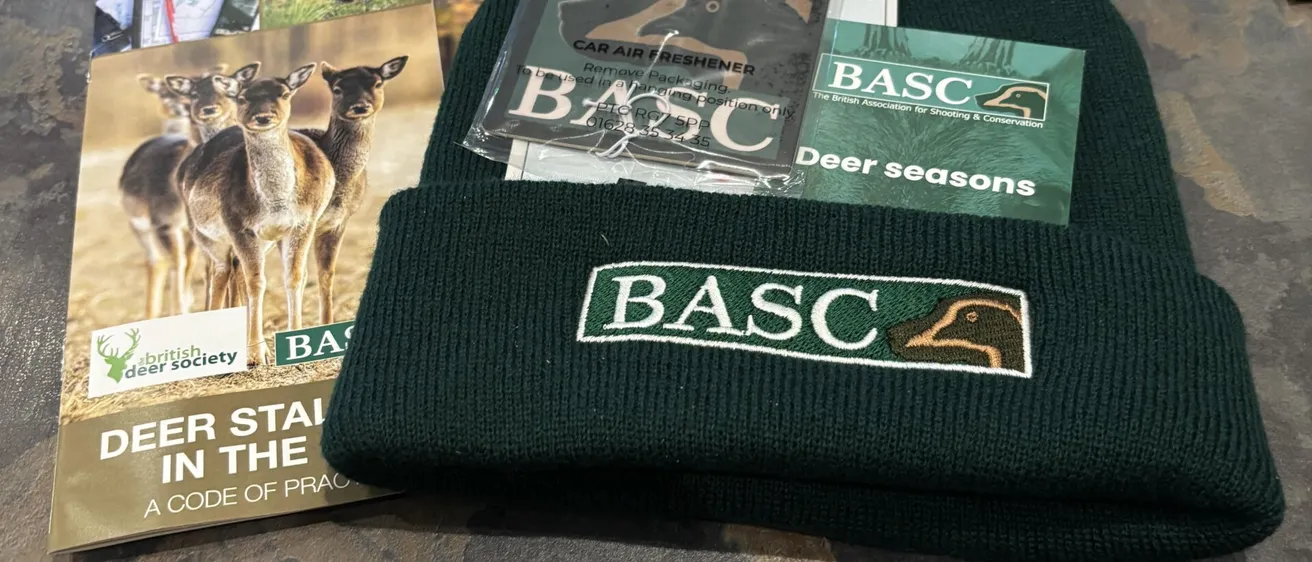
Key Points in This Blog
• The training refreshed DS1 and DS2-level deer management skills.
• The day covered practical deer management, gralloching and carcass inspection.
• Simulated stalking gave live field experience with firearms and steel targets.
• The session strengthened our deer management strategy for Yorkshire estates.
• Rain didn’t stop a full day of outdoor learning and hands-on practice.
A day focused on practical deer management in Yorkshire
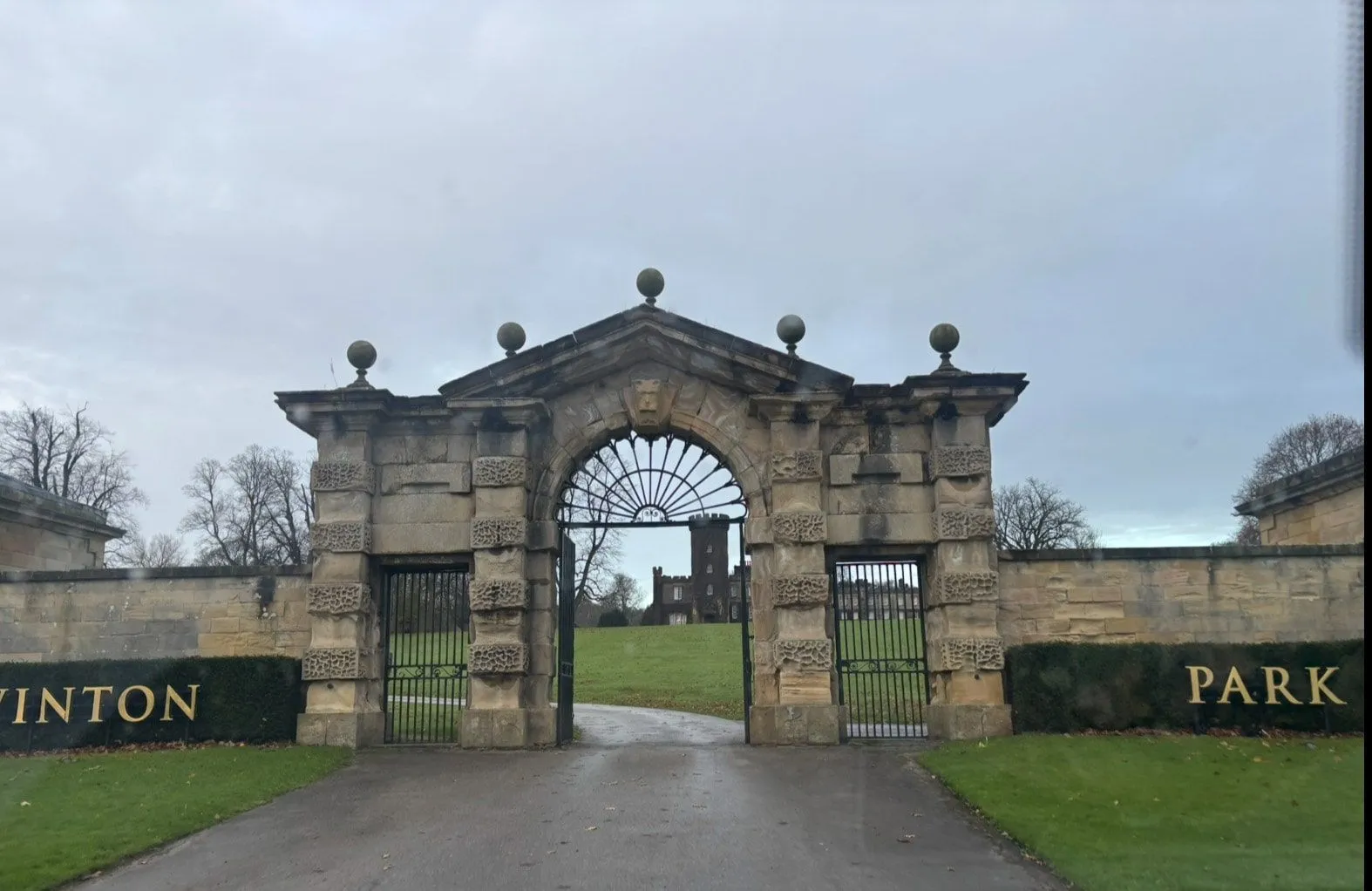
James and Andy from Bawcro spent a full day at Swinton Estate in Masham taking part in the BASC Deer Management Best Practice Day.
We joined this session to keep our skills current, support our DS1 and DS2 knowledge, and stay aligned with the best deer management services in Yorkshire.
This day helped strengthen the level of deer management support we give to farms, estates and landowners across the region.
Learn more about our land management work here:
What is deer management and why does it matter?
Deer management is the planned and responsible control of deer populations.
- keeps herds healthy.
- Protects crops and woodland.
- Prevents road collisions.
- It reduces damage to fences, young trees and habitats.
A structured deer management strategy helps landowners balance wildlife health with land protection.
You can read about how we support landowners across Yorkshire here:
Why we attended the BASC day
Training days like this sit at the centre of practical deer management.
- Safe handling gets reinforced through real field practice.
- Clean shooting standards are sharpened with guidance from experienced stalkers.
- Field hygiene and larder skills used in DS2 assessments are refreshed in a hands-on setting.
- Shot placement is practised under realistic pressure, improving confidence in the field.
- Welfare standards are strengthened by working through each stage of the process.
- Current best practice used across Yorkshire estates becomes clearer and easier to apply.
- Carcass inspection, processing and storage methods are refined through direct instruction.
- Judgement during stalking situations improves through live demonstrations and simulated stalks.
Overall, the session adds real value to the deer management services we deliver across Yorkshire.
The training day overview
Morning session
• Welcome briefing at Swinton Estate
• Best practice talk covering welfare, safety and field hygiene
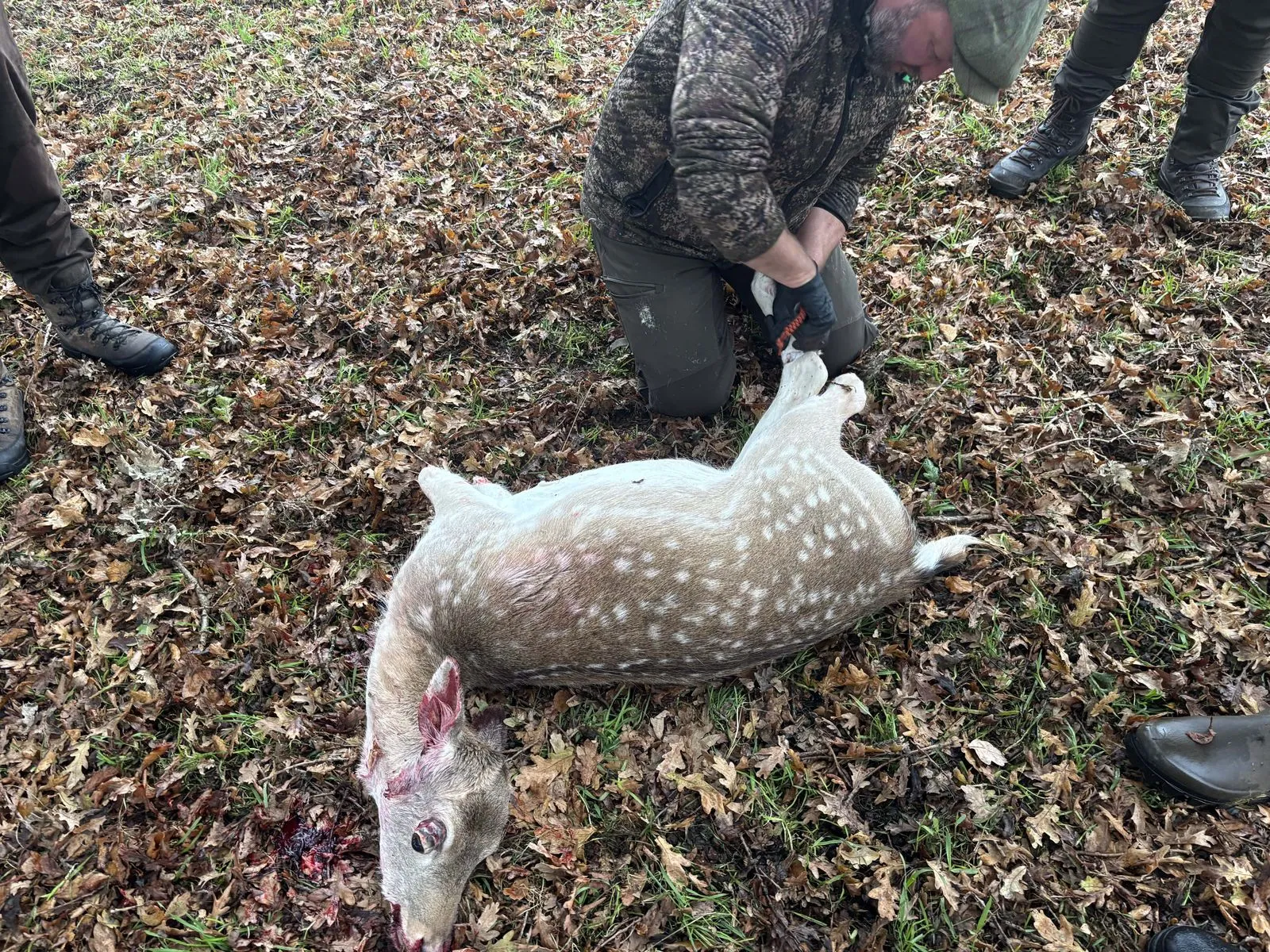
• Walk into the deer park
• Shot site assessment
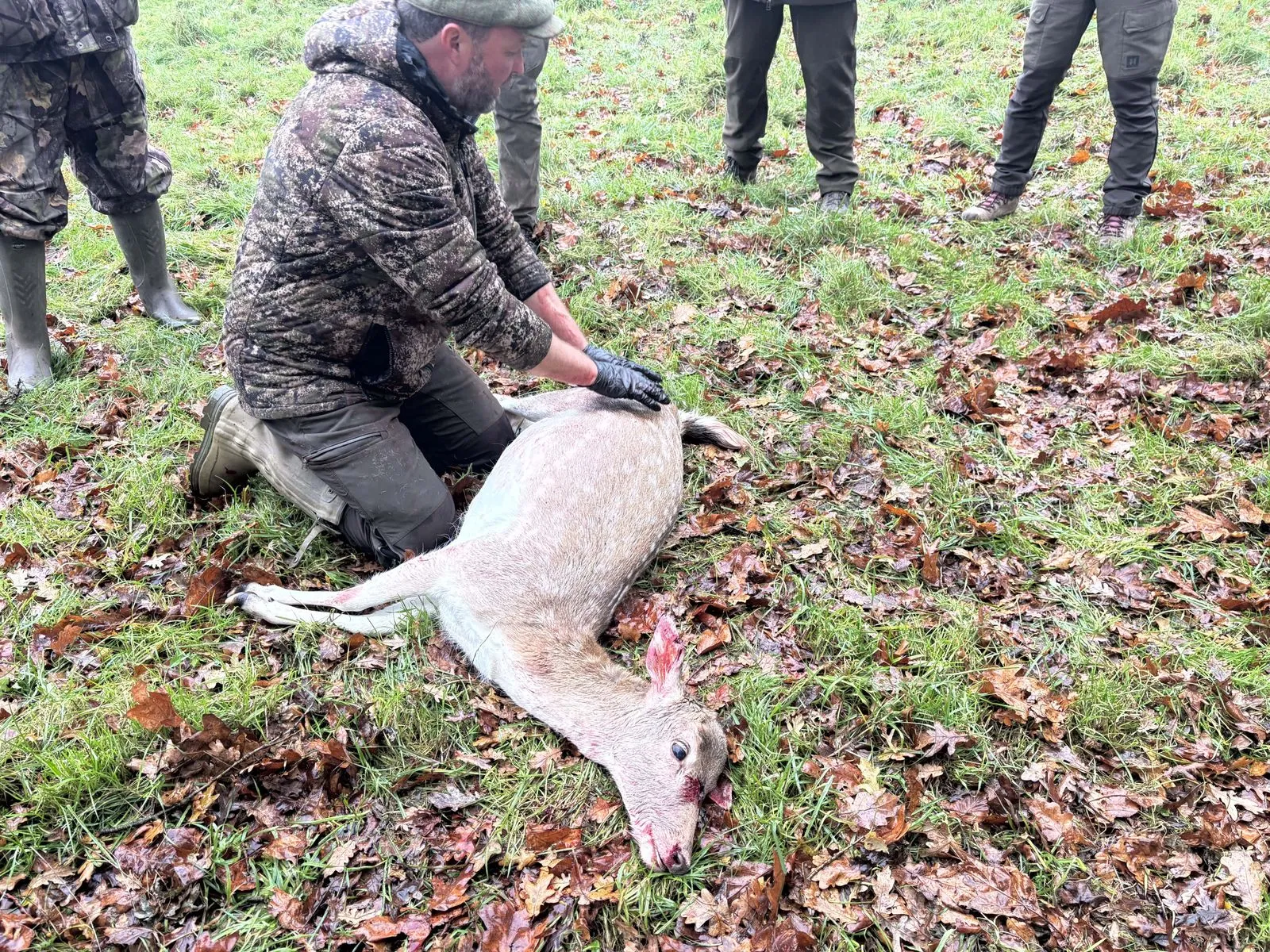
• External carcass checks
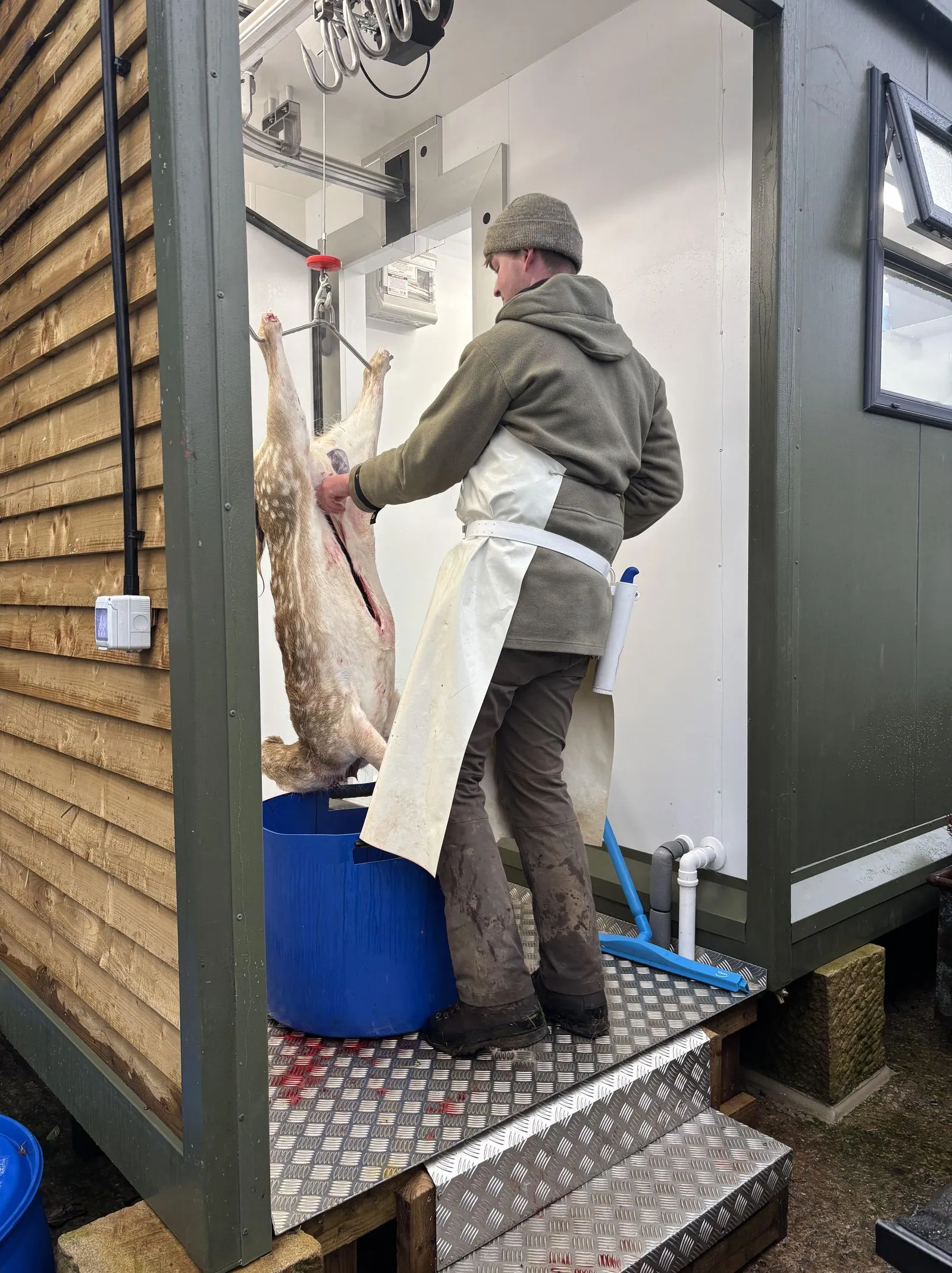
• Full DSC2 gralloch
• Lymph node inspection
• Carcass extraction
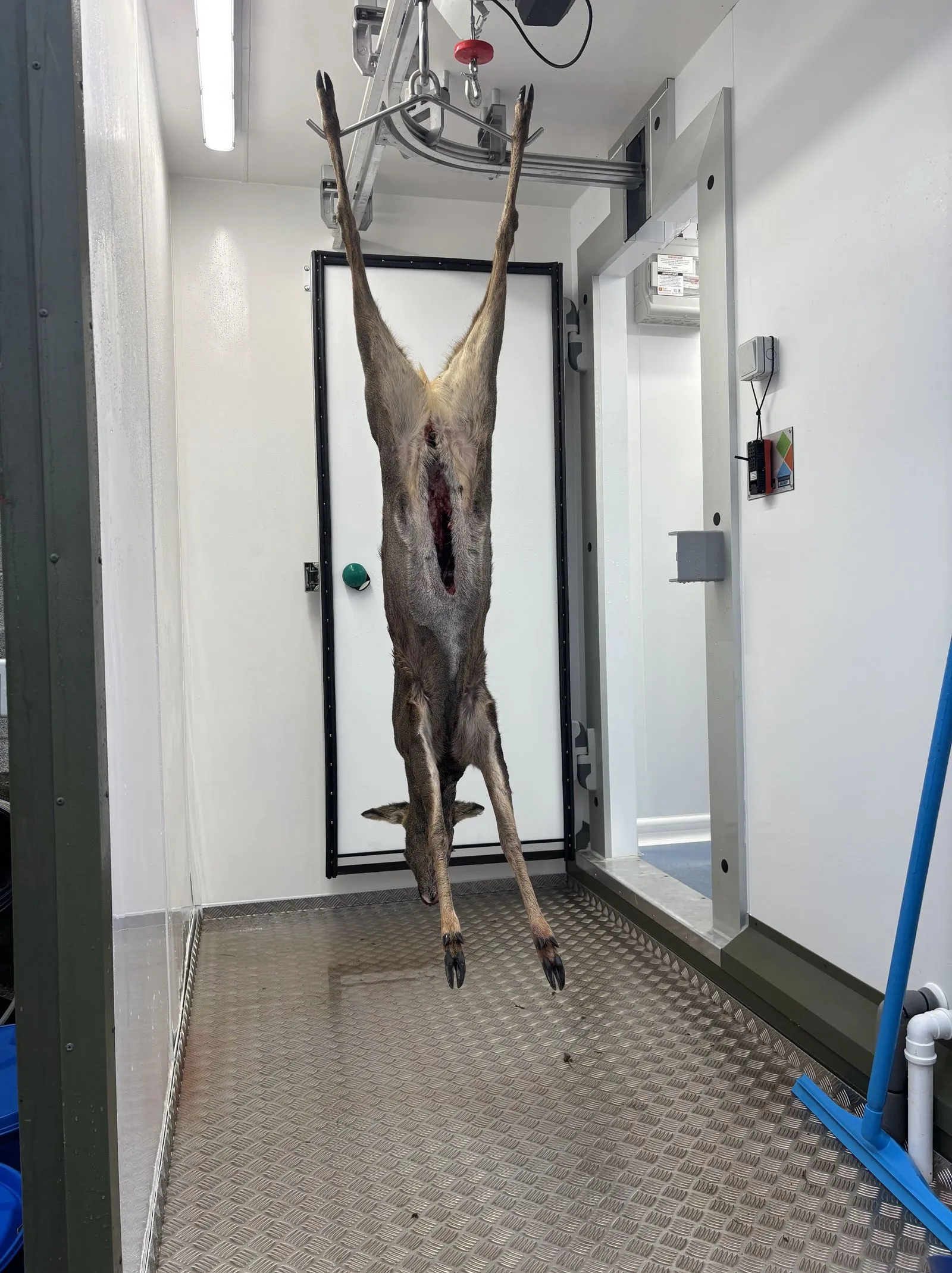
• Larder routine
These sessions link directly to DS1 and DS2 training and support anyone taking a deer management course or seeking deer management assistance program guidance.
Lunch at the larder
We stopped for a venison burger BBQ.
Rain was constant, but the food lifted everyone after a busy morning.
Afternoon: butchery and simulated stalk
The afternoon split into two groups.
Both covered core skills needed in practical deer management.
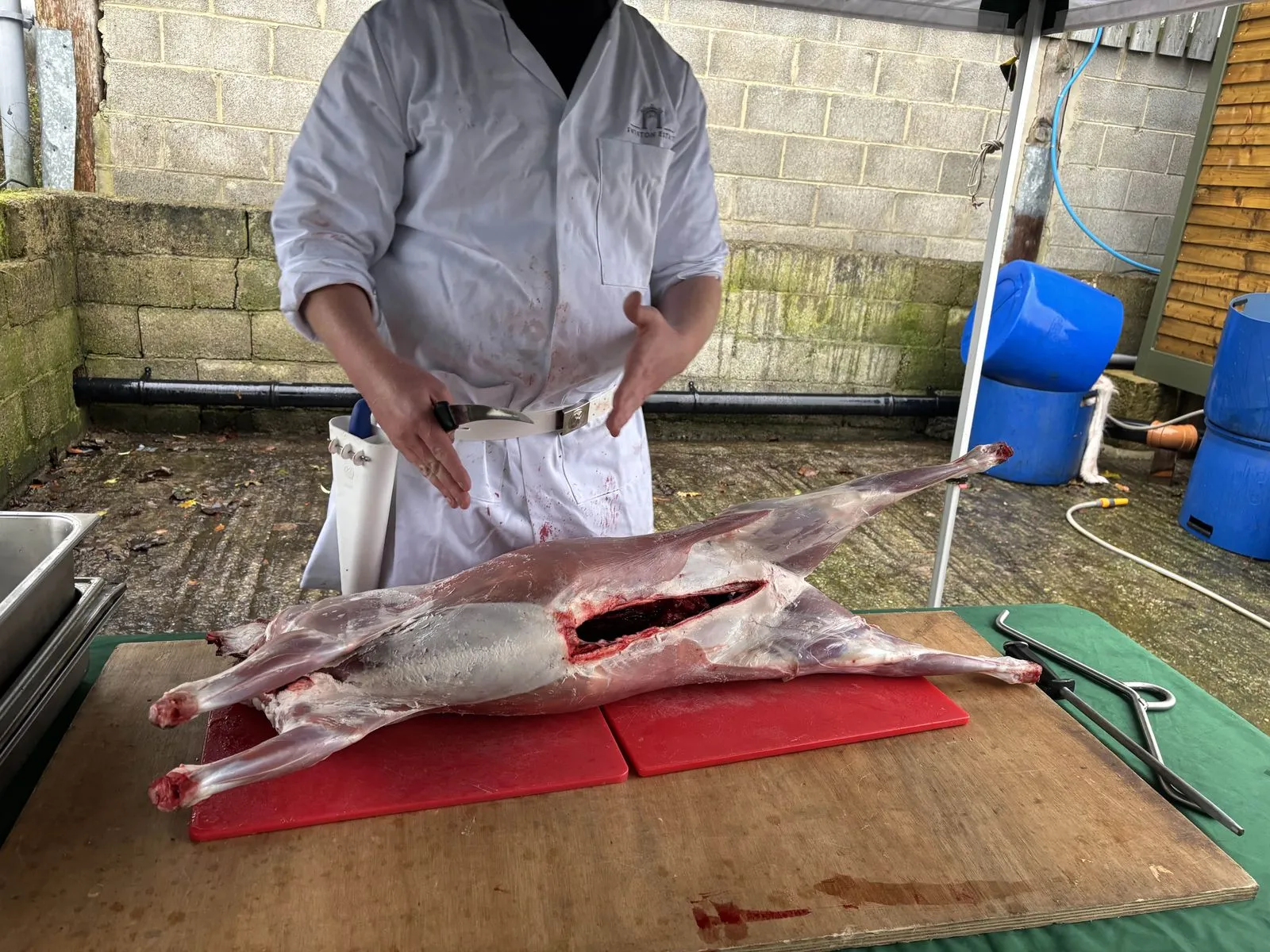
Butchery demonstration
• Clean breakdown of the carcass
• Safe handling
• Correct cuts for different use
This is part of what makes deer management important. It ensures food safety and respectful use of the animal.
Simulated stalk
• Field positions
• Movement and approach
• Use of firearms
• Shooting steel targets
This was a strong part of the day.
It recreated real stalking situations and supported DS2 readiness.
If you want help with professional deer control on your land, visit:
How this training improves our Yorkshire deer management services
This day strengthened:
• Field decision-making
• Shot placement judgement
• Carcass inspection standards
• Knowledge of disease and lymph node checks
• Safe rifle handling in wet and low-visibility conditions
• Our confidence with DS1 and DS2 best practice
• The range of skills we offer through our deer management services in Yorkshire
It keeps our team at the right standard for landowners needing reliable deer management in Yorkshire.
How we use this knowledge in real work
Our deer management work includes:
• Population monitoring
• Selective culling
• Protecting young trees and woodland
• Reducing crop damage
• Supporting estate and farm wildlife plans
• Helping landowners form a long-term deer management strategy
You can learn about the pests and wildlife we manage here:
Why We Follow BASC and British Deer Society Standards
Bawcro is a member of BASC and the British Deer Society. These memberships guide the way we manage deer across Yorkshire. Both organisations promote safe stalking, welfare, clean shot placement and responsible culling. The training and resources they provide help us apply the right standards in the field and keep our skills in line with national best practice.
Frequently Asked Questions
Why is deer management important?
It protects habitats, reduces crop damage and keeps deer populations healthy. It also improves safety on farmland, estates and roads.
What qualifications help with deer management?
DS1 and DS2 are widely used. They support best practice and ensure safe, legal and responsible stalking.
Can you help create a deer management strategy for my land?
Yes. We help landowners across Yorkshire plan long-term deer management.
What is included in practical deer management?
It covers stalking, carcass inspection, gralloching, larder hygiene and safe handling.
Do you work with estates and large rural properties?
Yes. We support farms, estates, woodland areas and rural properties across Yorkshire.
Do you offer other wildlife control services?
Yes. See our full list of species here:
We have an extensive FAQ section where other questions might be answered.
Further Reading